


Lace front wigs offer convenience and stunning style transformations, but improper application or a lack of proper care can compromise the health of your natural hair. A common issue arises when using adhesive sprays to secure the lace edges: the tension and pulling can cause the hair along the hairline to thin out or even lead to bald spots.
Don't worry—wearing a wig doesn't mean sacrificing the health of your edges. By using the right application techniques and wig caps, and maintaining good hair care habits, you can enjoy your favorite wigs while minimizing tension and friction around your hairline.
So, how can you tackle this tricky issue? How do you secure your wig while protecting the edges? This article covers how to protect your edges while wearing wigs, common mistakes to avoid, and how to choose wigs that are gentler on your natural hair.
What Are Edges And Why It Important?

Edges are not just ordinary hair; they refer to the fine, delicate strands along the hairline—primarily around the temples and forehead, and sometimes at the nape of the neck. Compared with the rest of your hair, these strands are naturally softer, finer, and more fragile.
They grow more slowly and are prone to breakage caused by pulling and friction. When hair health is compromised, the hairline is often the first area to show signs of damage, making the care of your edges particularly important.
For Black women, the hairline holds special significance. Sleek baby hairs and a neat hairline contour are essential elements of a complete look; they can elevate a hairstyle from nice to stunning and make a wig appear as though it is growing naturally from your own scalp. A healthy, full hairline perfects the overall aesthetic.
However, frequent pulling, tight hairstyles, adhesives, wig caps, and repetitive styling routines place extra stress on these delicate hairs. That is why protecting them is crucial.
A thinning hairline not only affects hair health but also compromises the final look of various hairstyles. Repairing a damaged hairline is a slow and frustrating process—something no one wants to go through. So, start protecting your edges properly today.
Where are the Stress Points That Damage the Edges?
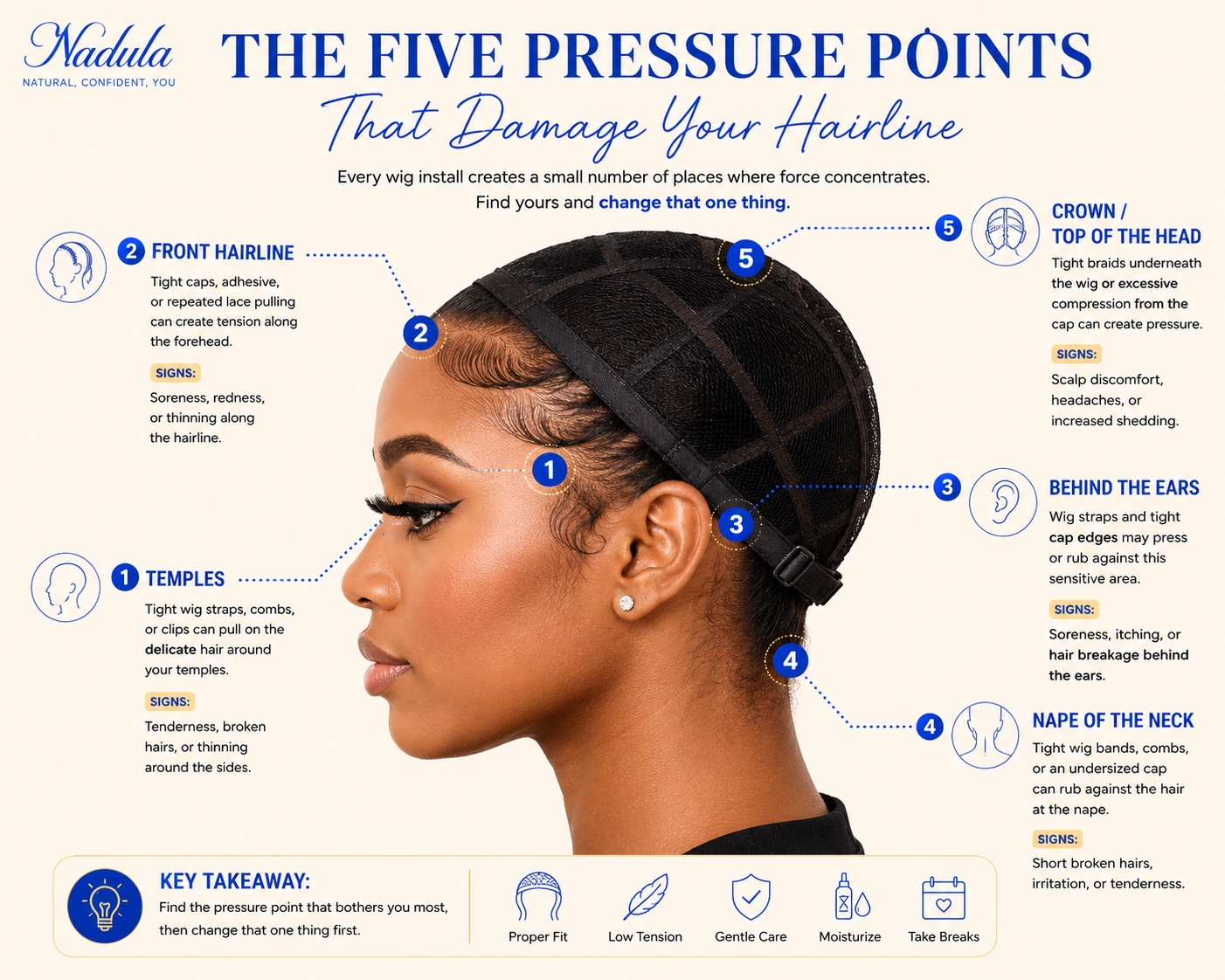
Whenever you wear a wig, specific areas experience concentrated pressure. You can identify the pressure point that causes the most discomfort and prioritize adjusting that area; making minor tweaks to how you wear the wig can significantly reduce unnecessary tension on your hairline.
| Pressure Point | What Causes the Pressure | Signs to Watch For | What to Change |
| Temples | Tight wig straps, combs, or clips can pull on the delicate hair around your temples. | Tenderness, broken hairs, or thinning around the sides. | Loosen the straps and avoid placing combs directly on fragile edges. |
| Front Hairline | Tight caps, adhesive, or repeated lace pulling can create tension along the forehead. | Soreness, redness, or thinning along the hairline. | Try a glueless wig and avoid applying adhesive directly to your hair. |
| Nape of the Neck | Tight wig bands, combs, or an undersized cap can rub against the hair at the nape. | Short broken hairs, irritation, or tenderness. | Choose a properly sized cap and reduce tension around the nape. |
| Behind the Ears | Wig straps and tight cap edges may press or rub against this sensitive area. | Soreness, itching, or hair breakage behind the ears. | Adjust the cap position and avoid overly tight straps or bands. |
| Crown / Top of the Head | Tight braids underneath the wig or excessive compression from the cap can create pressure. | Scalp discomfort, headaches, or increased shedding. | Use a low-tension hairstyle underneath and choose a breathable, comfortable cap. |
How to Protect Your Edges When Wearing a Lace Wig?
Wear the Right Wig Size
Before purchasing a wig, you need to measure your head circumference. Use a soft measuring tape to wrap around your head, passing along the hairline, above the ears, and across the nape of the neck. If the wig cap is even half an inch too small, the elastic band will constantly pull at the hair near your temples while worn. You can learn how to measure your head size. Of course, we also offer wigs for large head sizes and wigs for small head sizes.
Choosing the Right Adhesive
Selecting the right adhesive ensures your wig stays perfectly in place for days—or even weeks—while allowing for easy removal without pulling on or damaging your natural hair. Conversely, using the wrong product often necessitates the repeated application of heavy, potentially irritating adhesives; this can lead to a flaky scalp and leave your hairline looking ragged and damaged.
Ensure Precise Placement
Accurate placement is crucial. If the lace front is positioned too far forward beyond your natural hairline, it can cause friction and scalp irritation; if placed too far back, you risk accidentally applying adhesive onto your natural hair.
Therefore, take great care when aligning the lace front. When fitting the wig, carefully trim the lace edge to match your hairline perfectly, taking care not to cut into the wig itself or your own hair.
Wearing a Wig Cap

Wearing a wig cap is a crucial step when installing a wig. It is an essential tool for protecting your hairline—especially the delicate baby hairs—from damage. Silk caps are the best choice as they are gentler on the skin and create a protective barrier between your natural hair and the wig material; this not only prevents your hair from coming into contact with wig adhesive but also shields it from breakage.
Mesh or nylon caps are also good options. In contrast, cotton caps tend to absorb moisture from the hair, so it is best to avoid using them.
Using a Wig Grip
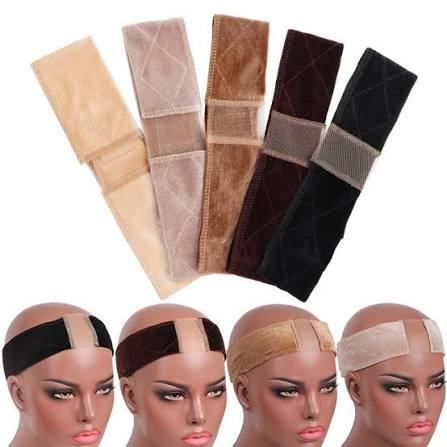
Use a wig grip to provide extra protection for your edges. A wig grip offers secure support without causing pulling or tension. Opt for a non-slip band made of velvet or silicone to secure the wig instead of using combs.
Position the adjustable band or velvet grip just behind your hairline, and remove any front-facing combs that might dig into your temples. The mechanism used to secure the wig should not press directly onto the edges of your hairline.
Positioning the Wig Correctly
The wig should be positioned neither too far forward (extending beyond your natural hairline) nor too far back (sitting behind the hairline). It must be kept in the correct spot—snugly against the front edge of your natural hairline.
Improper placement can irritate the skin and lead to hair breakage; furthermore, accidentally applying adhesive to your natural hair can cause unnecessary complications. Therefore, always ensure the wig is positioned and aligned correctly with your hairline before trimming the lace.
Remove the Wig Correctly
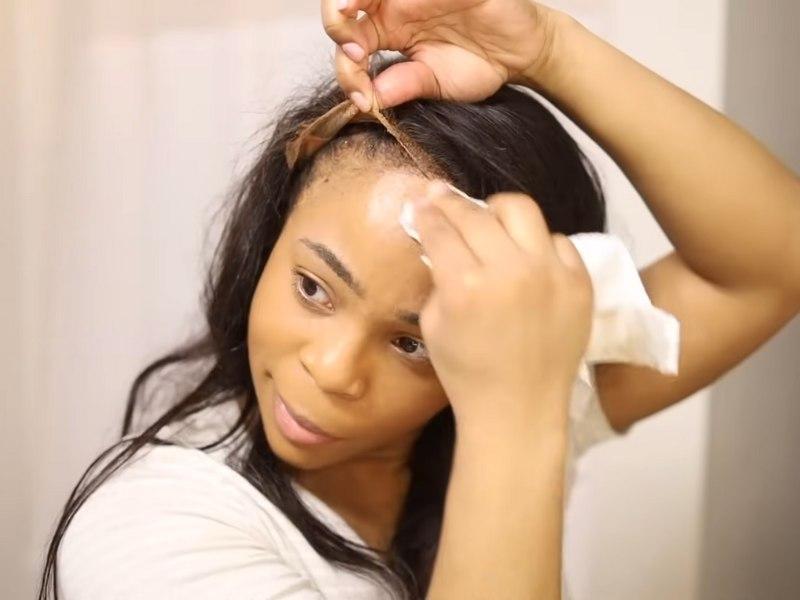
Removing the wig is just as important as putting it on. Never forcibly pull the lace base away from your skin without first fully dissolving the adhesive; yanking it off can damage the hair along your hairline, as the adhesive is often much stronger than you might expect.
To remove the wig safely, gently apply an adhesive remover. If you have sensitive skin, opt for an oil-based remover and avoid products containing alcohol. Allow the remover to fully break down the glue, then slowly and gently lift the lace base—working gradually from one side of your head to the other—to peel the wig away from your scalp. Take your time with this step; do not rush.
Once removed, carefully place the wig back on its stand to maintain its shape. Finally, wash your face with warm, soapy water to thoroughly remove any remaining adhesive or remover residue.
Wear a Glueless Wig
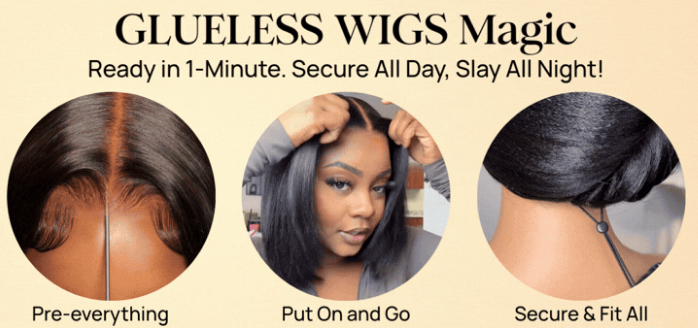
Opting for a glueless wig allows you to completely skip those tedious application steps. Many modern lace front wigs come equipped with adjustable straps and small, secure combs that ensure the wig stays firmly in place.
Nadula offers a wide range of natural-looking glueless wig styles; not only do they look incredibly realistic, but they also allow your scalp to breathe, minimizing potential hair damage caused by sweating.
You can check this Ultimate Guide to Know About Glueless Wigs and to know the different glueless wig types for protecting your edges, then you can choose one style for your beauty.
Choose a hairline-friendly attachment method.
The method used to secure the wig determines the amount of tension exerted on the hairline.
| Securement Method | Impact on Edges | Best Practices |
| Glueless / Adjustable Bands | Minimal Risk | Use built-in elastic bands and velvet grips. Ideal for daily removal. |
| Wig Clips & Combs | Moderate-to-High Risk | Move clips away from fragile temple areas or unstitch/remove them entirely. |
| Lace Glues & Adhesives | High Risk | Never place glue directly on hair strands. Place lace slightly forward on bare skin. |
Practical Tips for Protecting Your Edges
To make caring for your hairline easier, try these simple steps:
Before Wearing the Wig:
- Moisturize your natural hair.
- Opt for hairstyles that put less tension on the hairline.
- Choose a comfortable wig cap.
- Ensure the wig fits securely.
- Avoid unnecessary pulling or tugging on the hairline.
While Wearing the Wig:
- Avoid frequently adjusting the wig's position.
- Refrain from repeatedly combing or brushing the hair at the hairline.
- Be mindful of any discomfort or tightness.
- Keep the scalp clean and comfortable.
After Removing the Wig:
- Remove the wig gently.
- Clean away any residual hair products.
- Moisturize your natural hair as needed.
- Allow your scalp and hairline to rest.
- Store the wig properly.
FAQs About Protecting Your EdgesCan the Edges Damaged By Wearing Wigs Grow Back?
Mild to moderate thinning can be reversed with proper care. Minimizing tension, maintaining a routine of moisturizing and scalp care, and allowing the area time to recover can all help the hairline regenerate. Severe cases of traction alopecia may require consultation with a dermatologist or hair specialist. The sooner the issue is addressed and habits are changed, the better the outcome.
Can Wearing a Wig Cause Your Edges to Thin?
Wearing a wig does not automatically cause thinning edges. However, tight installations, excessive tension, adhesive removal, friction, and repeated manipulation can contribute to hair breakage around the hairline.
Are Glueless Wigs Gentler on Your Edges?
In most cases, yes. Using less adhesive means less chemical irritation to the hairline. The removal process is gentler, resulting in less hair loss. Especially for daily wear, glueless wigs are a smarter, hairline-friendly choice since they do not require adhesive to secure the lace to the hairline. They are practically essential if your hairline is already starting to thin. However, regardless of the wig type, proper fit is crucial to ensure there is no excessive pressure.
Can You Wear a Wig While Sleeping?
Generally, it is best to remove your wig before going to bed. Friction and pressure during the night can place extra strain on the scalp and edges.
How Often Should You Take a Break From Wearing a Wig?
Taking a break for at least one or two days a week makes a noticeable difference. This allows the scalp to breathe, reduces the cumulative tension from pulling, and gives the edges a chance to recover between wearings. The importance of consistently taking these breaks is often underestimated.
Does Wearing a Wig Cause Thinning Your Edges?
Wearing a wig does not, in itself, directly cause thinning along the hairline. However, wearing a wig that is too tight, applying excessive tension, using adhesives during removal, friction, and repeated pulling can all lead to hair breakage around the hairline.
Conclusion
Even though wigs have become an essential part of our daily lives, the health of your natural hair and scalp remains paramount. Wigs themselves do not ruin your edges—bad habits do. By following the advice shared here and establishing a proper care routine, you can effectively protect your edges. Take action today!