


Hair weaves are a widely popular method for instantly adding length, volume, and versatility to your hairstyle. If you aspire to possess a head of lush, hair weave bundles are undoubtedly a top choice for many. Among the numerous extension techniques available, the Quick Weave and the Sew-In Weave stand out as two of the most discussed and prominent options.
Determining which of these methods best aligns with your specific needs, budget, and aesthetic goals can indeed feel a bit daunting. While each technique has its own distinct advantages and disadvantages, both can help you achieve a beautiful and highly personalized look.
Though they differ significantly in terms of installation time, daily maintenance requirements, and financial investment. To select the method that is truly right for you, it is essential to gain a detailed understanding of the pros and cons associated with each approach.
In this article, we will delve into the specific details of both Quick Weaves and Sew-In Weaves, comparing their respective features to help you determine which method is the ideal choice for you.
What Is Quick Weave?
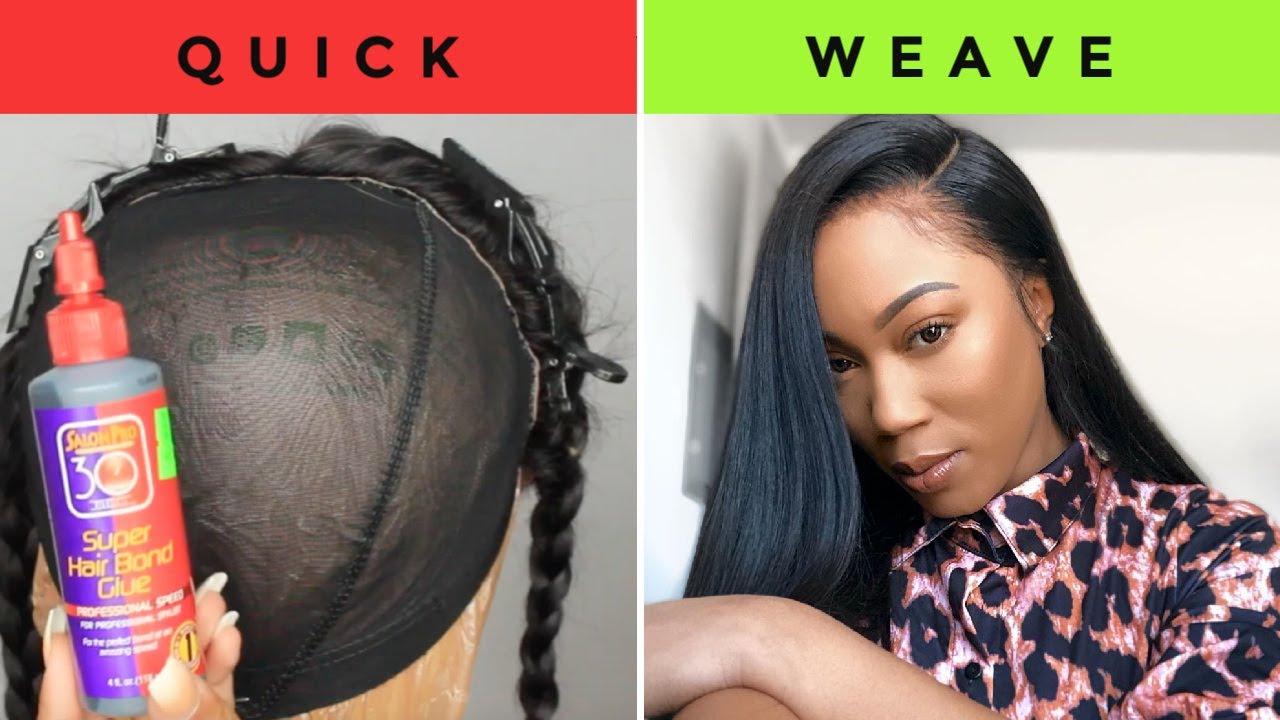
Quick Weave is a technique that involves adhering hair wefts to a protective cap worn over the head using a specialized adhesive. Ideally, these weaves consist of human hair, which is then trimmed and styled to blend seamlessly with your natural hair.
It is called a "Quick Weave" because, compared to other methods such as traditional "sew-ins," it requires significantly less time to complete. In just a few short hours and without any unnecessary hassle, you can achieve a stunning, brand-new hairstyle.
Quick weave is an effortless and convenient solution—the perfect way to achieve an instant, dramatic transformation of your look.
The Pros of Quick Weave
Time-Saving and Efficient
Since the hair wefts are bonded directly onto a wig cap, this technique is significantly faster than traditional sew-in extensions—taking as little as a few hours to complete! For those eager to change their hairstyle quickly, this is undoubtedly an incredibly convenient option.
If you want to try a new look but don't have an entire day to spend at the salon, a Quick Weave is the perfect choice for you. You don't even need to visit a salon; you can easily install a Quick Weave yourself in the comfort of your own home. It is ideal for individuals with busy schedules.
Low Maintenance
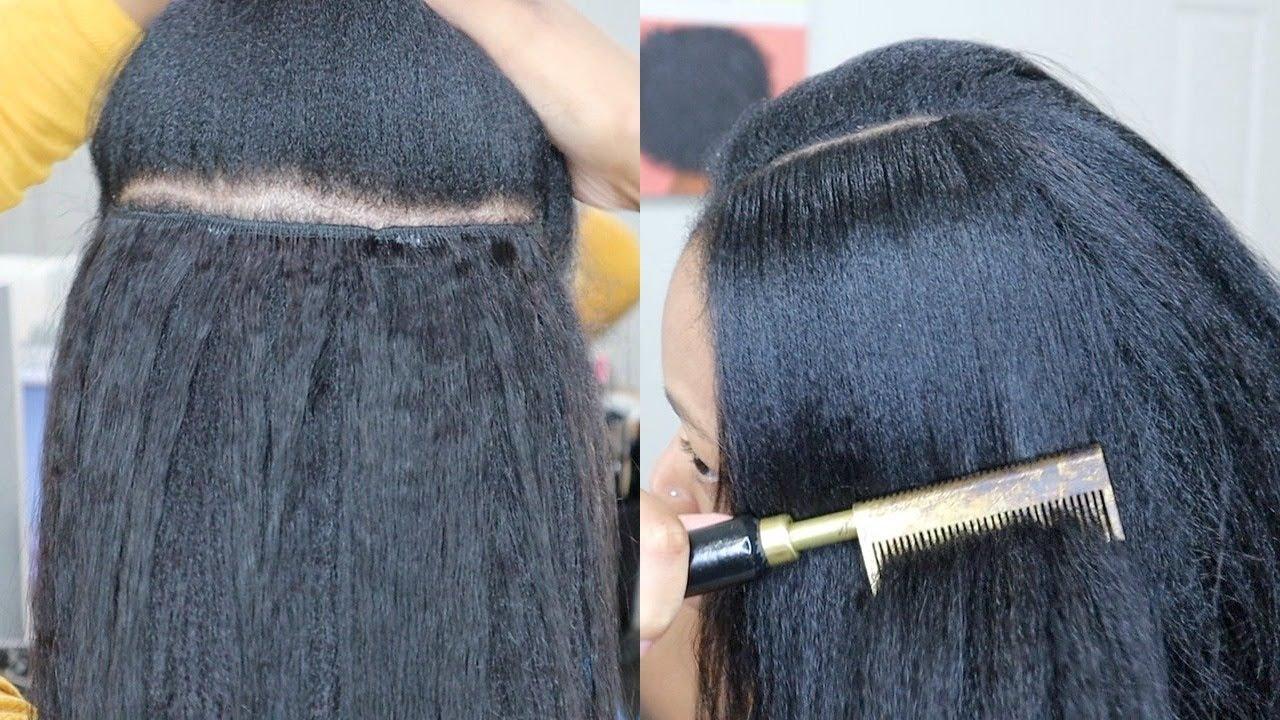
This hairstyle requires almost no tedious daily upkeep, allowing you to fully enjoy your leisure time!
You simply need to wrap your hair at night and touch up your edges whenever necessary. The minimal daily maintenance saves you a significant amount of time and energy, making it perfect for those seeking a low-maintenance hairstyle.
Easy to Remove
Removing a Quick Weave is typically much easier and faster than removing sew-in or fusion extensions. Unlike complex hairstyles that can take hours to remove, the removal process for a Quick Weave is effortless. The hair wefts can be gently peeled away from the wig cap, which is then easily removed; the entire process causes no damage or tension to your natural hair.
Versatile Styling
Quick Weaves offer a wide variety of styling options, encompassing various lengths, textures, and colors. They allow you to experiment with a diverse range of looks and styles without making any permanent changes to your natural hair.
Affordable
Compared to other extension methods—such as sew-ins or clip-ins—Quick Weaves are significantly more affordable. Depending on whether you choose to install it yourself or have it done by a professional at a salon, the cost typically ranges from $60 to $200, and the process won't consume too much of your time. If you are looking for an economical way to transform your hairstyle, a Quick Weave is the perfect solution.
Gentle on the Scalp
With a Quick Weave, you do not have to endure the tightness and tension often associated with braided hairstyles. This look is easily achieved by simply braiding your hair into loose plaits or by using styling gel to smooth it down. Since quick-weave extensions involve adhering hair wefts to a protective wig cap, the tension placed on the scalp is significantly lower compared to other methods—such as sew-in extensions, where wefts are sewn directly onto braids formed from one's natural hair.
The Cons of Quick Weave
Shorter Lifespan
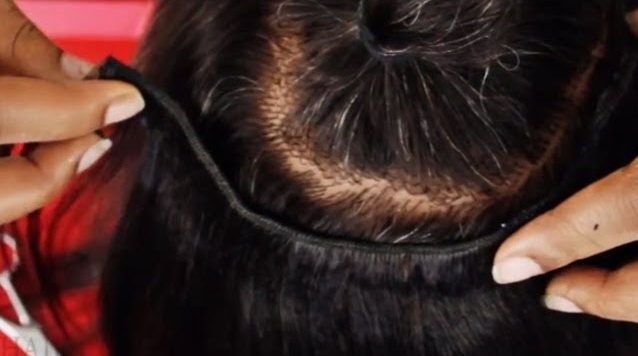
Quick weaves typically last only 4 to 6 weeks. Since the hair wefts and the hair net (or wig cap) are secured using adhesive, the bond often begins to weaken after just a few weeks—or even as little as a few days. Consequently, the duration of a quick weave is shorter than that of other extension methods (such as sew-in weaves), which can typically last for several months.
Shedding/Hair Loss
The hair weaves used in quick weaves are more prone to shedding because the wefts or bundles must be cut to fit the specific contours of the hair net (wig cap).
Hair Damage
The most concerning risk associated with quick weaves is the potential for hair loss and damage. This primarily occurs when the adhesive used during the application process inadvertently comes into contact with the natural hair; once the glue touches the hairline or the natural strands, it can cause damage to those areas. Additionally, the use of low-quality hair nets can also result in damage to the hair.
Potential Allergic Reactions
Since quick weaves require the use of adhesive during application, some individuals may experience an allergic reaction to the glue, which can trigger scalp itching or irritation.
How To Install a Quick Weave?
What Is Sew-in Weave?
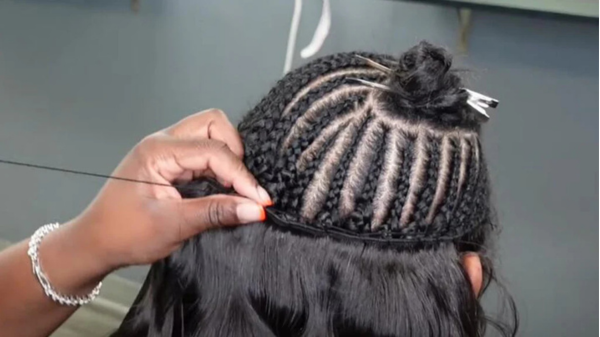
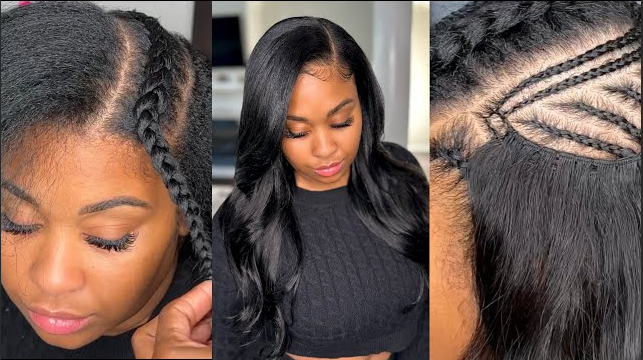
Sew-in weaves represent a technique for installing hair weaves, specifically, a method utilizing a needle and thread to stitch and secure the weaves (or extension pieces) onto small, tight cornrows braided from your natural hair.
This technique allows you to quickly refresh your hairstyle, adding length, volume, and greater styling versatility to your hair. Furthermore, because this method completely conceals your natural hair beneath the hair extensions, subsequent maintenance and upkeep are exceptionally easy and effortless. You can click here to know how to sew in weave.
The Pros Of Sew-in Weave
Versatile Styling
Depending on the type and texture of the cornrows you choose to braid, sew-in weaves offer a wide range of styling options, accommodating various hair lengths, textures, and colors.
Since the hair bundles are made of 100% human hair, you can treat the weaves just like your own natural hair; you can trim, curl, and even dye them. You are free to experiment with different looks, effortlessly creating styles ranging from sleek straight hair to voluminous, bouncy curly hair, all while protecting the health of your natural hair.
Protective Styling
Sew-in weaves are considered a protective hairstyle because your natural hair is braided and tucked underneath the extensions, shielding it from heat, styling tools, and environmental factors that could otherwise cause damage.
No Damage
Since the entire installation process relies solely on a needle and thread, involving absolutely no adhesives or harsh chemicals, the risk of damage to your hair and scalp is minimal.
Long-Lasting Durability
Compared to other hair extension methods, sew-in weaves are significantly more durable. With proper care, a sew-in weave can typically last for about 6 to 10 weeks, or even longer. This means you can enjoy a natural, flowing look without the need for frequent replacements.
Secure and Stable
With sew-in weaves, the hair weaves are stitched directly onto your braided natural hair using a needle and thread, creating an extremely secure structure. Compared to extension methods that rely on glues or clips, the likelihood of the extensions slipping or coming loose is drastically reduced.
Low Maintenance
Sew-in weaves generally require less daily maintenance than other extension methods, as the extensions themselves hold their style exceptionally well.
The Cons Of Sew-in Weave
Time Consuming
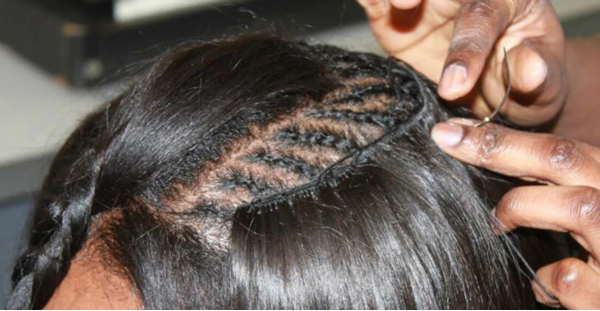
Installing sew-in hair extensions can be a lengthy process, taking several hours or even longer, which is depending on the desired hairstyle and the complexity of the braiding pattern. Furthermore, removing sew-in weaves is an equally intricate procedure; it requires carefully unraveling the braids and stitches one by one, a task that also consumes several hours.
Scalp Tension
If the braids are too tight or the hair weaves are too heavy, sew-in weaves can exert pulling tension on the scalp, leading to discomfort or potential hair damage. If applied improperly, the tension caused by sew-in extensions can sometimes result in hair loss, patchy baldness (alopecia), or even thinning of the natural hair strands.
Difficulty Caring for Natural Hair
Since your natural hair is braided tightly against the scalp and completely concealed beneath the extensions, it becomes difficult to effectively access and provide daily care for it. If not properly managed, this can lead to dryness, scalp irritation, or other health-related issues.
Unsuitable for Thin Hair
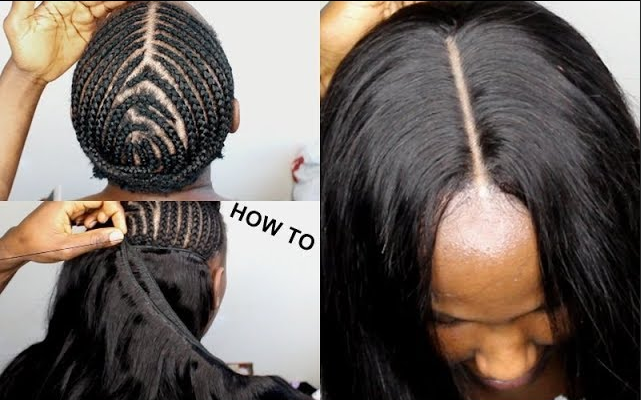
To achieve the desired aesthetic result, your natural hair must first be braided tightly against your scalp, after which the weaves are sewn on. It is worth noting that for individuals with sparse hair or fine, delicate hair textures, this method of extension application can place excessive strain on the scalp.
Difficult to Install and Remove Independently
Applying sew-in weave is a lengthy and labor-intensive undertaking that must be performed by a professional hairstylist; it is not a procedure you can perform on yourself. Additionally, removing sew-in weave is equally time-consuming and typically requires professional assistance to ensure that your natural hair remains undamaged.
High Cost
Compared to other hair extension methods, sew-in weaves typically come with a higher price. This is primarily due to the complexity of the installation process, which demands a high level of technical skill and is extremely time-consuming, resulting in higher professional service fees. When combined with the cost of the hair weave bundles, the overall expense can be quite significant.
How To Install Sew-in Weave?
Quick Weave VS Sew-In: What's the Difference?
| Feature | Quick Weave | Sew In |
| Installation Method | Hair weaves are glued onto a protective cap or directly onto styled natural hair using bonding glue. | Hair weaves are sewn onto braided natural hair using a needle and thread. |
| Installation Time | Usually 1–2 hours. | Usually 3–5 hours. |
| Cost | More affordable.(60-200$) | Generally more expensive.(200-1000$) |
| Durability | Lasts about 4–6 weeks. | Lasts about 6–10 weeks or even longer with proper care. |
| Hair Protection | Less protective if glue is applied incorrectly. | Better protective style for natural hair. |
| Comfort Level | Lightweight, but glue may feel uncomfortable for some people. | More secure and natural-feeling once installed. |
| Maintenance | Requires careful handling to avoid lifting or glue damage. | Easier to maintain for long-term wear. |
| Styling Flexibility | Limited compared to sew-ins. | More versatile for different hairstyles and partings. |
| Damage Risk | Glue can potentially damage natural hair if removed improperly. | Lower risk of damage when installed and removed correctly. |
| Best For | Short-term styles, busy women, quick changes, and budget-friendly looks. | Long-term wear, protective styling, and a more natural appearance. |
| Removal Process | Quick removal with bonding glue remover. | Takes longer because stitches must be carefully cut out. |
| Ideal Users | People who want a fast and affordable hairstyle transformation. | People looking for durability and better protection for natural hair. |
Quick Weave VS Sew-In: Which One is Better For You?
Quick Weaves and Sew-in Weaves indeed differ in terms of their installation and removal procedures, as well as their impact on your natural hair. So, how do you determine which method is right for you? When choosing between the two, consider the following factors:
Personal Lifestyle: Consider your daily routine and how much time you are willing to dedicate to daily hair styling and maintenance.
Desired Look: Think about the specific aesthetic you wish to achieve and how long you want the hairstyle to last.
Budget: Generally, sew-in weaves are more expensive than quick weaves, as the former typically requires professional installation. Be sure to factor your budget into your decision when weighing these two options.
Natural Hair Health: Sew-in weaves require braiding your natural hair to create a base for the extensions. If installed incorrectly or worn for too long, this braiding process can place tension on the scalp, potentially leading to hair breakage or even traction alopecia. If your natural hair is fragile, a quick weave may be a more suitable choice, as it places relatively less tension on your own hair.
Both quick weaves and sew-in weaves offer unique advantages and can enhance your overall look in different ways. Regardless of whether you ultimately choose a sew-in or a quick weave, proper daily care and maintenance are essential for both.