

The Type 3C hair is a gorgeous mix of springy curls, natural volume, and expressive texture. It creates corkscrew curls that are full and have personality, but this texture needs careful attention to retain the shine, definition, and long-term health.
Knowing the nature, requirements, and conduct of Type 3C hair opens the potential of being able to style it with confidence and provide food to it successfully. This guide dissects all the knowledge that you need to know, so that you can clearly and easily accept your curls.
What is Type 3C Curly Hair?
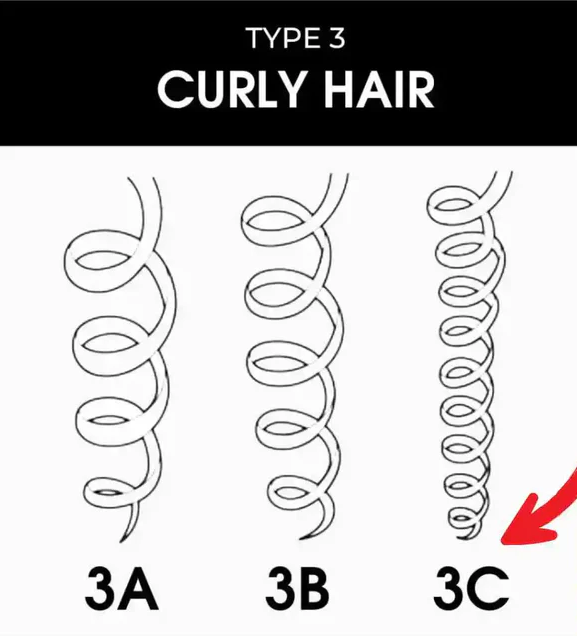
The Type 3 curl category has Type 3C hair at the very end, which is dense-looking curls, the diameter of which is comparable to a pencil or straw. Each of the strands has the structure of a curved follicle, which inherently restricts the distribution of scalp oils. This makes it dry earlier than the other straight types of hair, and makes it their major concern to have moisture.
The curls may shrink up to 50 percent or more. Curved follicles reduce natural oil distribution. Moisture becomes a primary need due to dryness. The curls, too, are patterned considerably, and may fall back and shorten when dry, 50 percent. Or more, and they make the hair look shorter.
The 3C strands are more surface frictional as opposed to looser curls since the curls are frictional around themselves. This results in knots that are tangled, single-stranded, and breakage in case the hair is not handled with care.
What Makes Type 3C Hair Special?
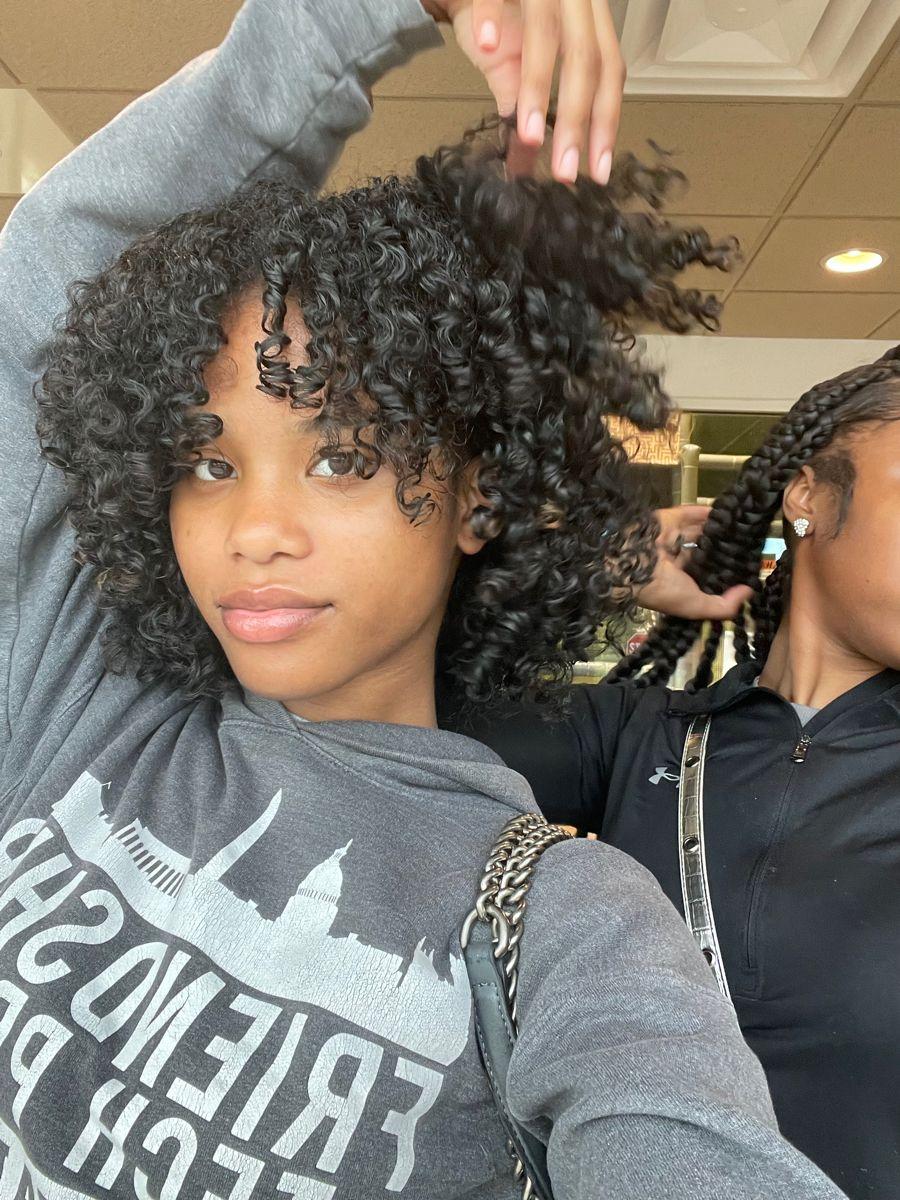
Image Source: Pinterest
Type 3C hair is characterized by the signature density, definition, and richness of texture. All the curls are tight coils, which in turn achieve the natural effect of fullness and volume in the hair, and thus make the hair appear thick when the strands are not.
Balance of elasticity and delicacy is the other characteristic feature: when wet, 3C hair can be stretched beautifully, but it is easily broken when dry or overworked.
Important Features Of Type 3C Hair
- Tight coils create natural fullness and volume.
- High elasticity when wet, fragile when dry.
- Porosity tends to be medium to high.
Porosity is different, although most individuals with 3C hair lie between the medium to high level, so that moisture can easily enter and exit at the same time. Consequently, the hair usually prospers in regimens that involve hydration and sealing strategies. Humidity also reacts well with the texture as it swells up or frizzes as the atmosphere changes.
Daily Care Routine for Healthy 3C Curly Hair

Image Source: Pinterest
The secret to keeping Type 3C curls healthy is to maintain a routine. Start with a moisture-led wash day regimen with sulfate-free cleansers to strip away the accumulated ones without eliminating natural oils.
Daily Routine Essentials includes: Use sulfate-free cleansers, Apply rich conditioning formulas, Use leave-in conditioners for moisture, and Curl creams and gels help define patterns.
The leave-in conditioners are used to maintain the moisture between washes, whereas the curl creams and gels shape the pattern and reduce frizz. All day long, curls can be refreshed using a water-based mist, which will not make them stiff or accumulate.
The golden rule is straightforward: hydrate, protect, and keep out of the way.
How To Deal Wth Environmentally Instigated Challenges?

Image Source: Pinterest
The environment is also a significant factor in the behaviour of the 3C hair. In a humid climate, moisture is absorbed by the hair from the air, causing the curls to extend, swell, or frizz. Some environmental Tips include using anti-humidity formulas, balancing humectants, and stretching and banding to help reduce shrinkage.
Shrinkage is usually annoying, yet it is an indication of good elasticity. Such techniques as stretching, banding, or twist-outs minimise natural shrinkage without heat. Learning and embracing the natural behavior of the hair makes it easier to style it with a degree of predictability, and it also makes it enjoyable.
Top-Rated Products Every Type 3C Curl Needs for Moisture and Definition
The appearance and feel of 3C curls may change with the selection of the appropriate products. Moisturizing conditioners and thick shampoos are the base, but the true magic lies in products like curl cream, defining gels, and hydrating leave-ins. These formulas reinforce the curl structure and increase the definition.
Ingredients to look for shea utter, aloe vera, jojoba oil and glycerin, they enhance the elasticity and preserve internal moisture. Light oils such as grapeseed or argan are great sealants as they ensure that hydration is trapped without curls being weighed down. Deep conditioners and masks are necessities, preferably once a week, so that their effect lasts in terms of softness and strength.
How to Style Your 3C Curly Hair Perfectly?
The 3C curls are all about adding hydration to them and moulding them when they are wet.
Then apply a leave-in conditioner, then a curl cream, and finish off with a gel or custard to keep the shape.
You can style it to finger-coiling, shingling, using a Denman brush or diffusing on low heat.
Airing also contributes to reducing frizz, although to achieve quicker outcomes, diffuse on low heat preserves the curl.
When the curls are dry, squeeze out the crunch of gels to show bouncy coils that are tender.
Don't touch the hair before it is dry, as this will retain the shape.
Protective Styling Strategies For 3C Hair
Protective styles are curly styles that do not expose the hair to daily manipulation and therefore retain the health of the curls.
3C Hair offers many types of protective hairstyles, such as braids, twists, buns and updos.
Friction and breakage are reduced in all forms of braids, twists, buns, and updos, particularly when one is asleep or during a hectic week. Scrunchies made of satin are the most suitable ones, as there will be no stress on the roots and on the edges.
Styled hair should be moisturized, cared for on the scalp, and refreshed every now and then. Satin bonnets or silk pillowcases help keep the moisture level steady and minimize the frizziness due to the friction of cotton.