


Crochet hair extensions have recently surged in popularity. This installation method differs significantly from the more common sew-in weave. Many women wonder: what exactly distinguishes crochet hair from sew-ins? Since the two are easily confused—especially by those new to these styles—choosing the best protective hairstyle can feel overwhelming. Which option is truly better?
While both methods are two popular quick installation and protective styles, they offer versatile styling, desirable length, and a natural look; they differ in terms of installation, daily maintenance, longevity, and cost. In this article, we will answer these questions by breaking down the characteristics and differences of each style. We will provide a comprehensive comparison to help you make a confident, informed choice.
What Is Crochet Hair?
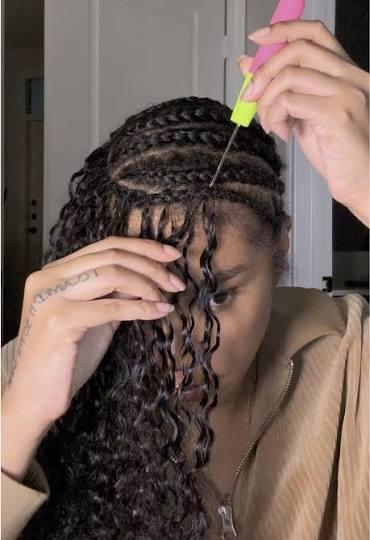
As the name suggests, crochet hair is installed using a hooking technique. A crochet hook is used to pull the hair extensions through a base of cornrows to secure them; this method requires no glue or sewing and serves as a protective hairstyle.
Natural hair is first braided to create a foundation, and then the extensions are looped through the braids using a crochet hook or latch hook, allowing for a variety of final styles. The installation process is both simple and quick.
The Pros of Crochet Hair
Easy and Quick Installation
Installation is fast; depending on the desired style, it usually takes less than two hours to complete. Simply loop the hair extensions through the cornrows and secure them with a knot to create a stunning look.
Natural Realistic Texture
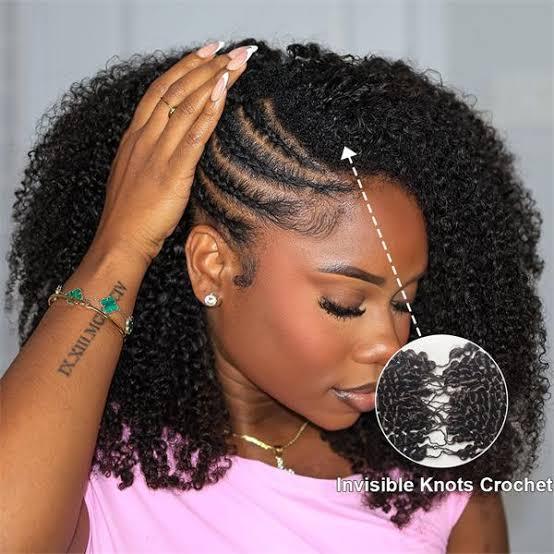
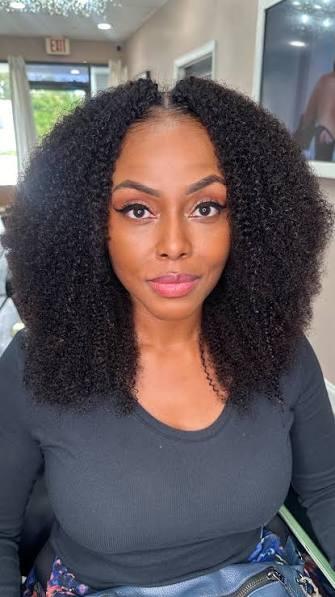
Crochet hair is designed to mimic natural curly hair textures, blending seamlessly with your own hair for a realistic appearance and a secure hold.
Beginner-Friendly
Installation is quick and simple—requiring only basic cornrowing skills. The cornrows do not need to be flawless, as the crochet hair extensions will cover them. It is an ideal choice for beginners and serves as a protective hairstyle.
Minimal Scalp Tension
Because the crochet hair extensions are lightweight, they place far less stress on the scalp and natural hair compared to other extension methods, resulting in reduced pulling or tension.
Versatile Styling
Crochet hair offers a wide range of styling options. Whether you prefer curls, braids, or straight hair, you can choose the style that best suits you.
Low Maintenance
It requires almost no daily upkeep. You can easily moisturize and style your hair, then head out the door.
Lightweight and Breathable
This method leaves more of the scalp exposed, allowing for better airflow. It prevents the buildup of heat, sweat, or product residue—common causes of an itchy scalp.
The Cons of Crochet Hair
Prone to Tangling: Synthetic crochet hair tends to tangle easily. Without proper care, it may lose its attractive appearance after just a few weeks, which can be quite frustrating.
Scalp Itching: Depending on the hair type chosen, crochet braids may cause scalp irritation or itching.
Unnatural Drape: Fresh out of the package, the hair strands often have an excessive sheen and lack a natural drape. It usually takes a day or two for the hair to settle and for that unnatural gloss to fade.
Unsuitable For Women With Sensitive Scalps: For women with sensitive scalps, heavy or bulky crochet braids can place strain on the scalp, potentially leading to issues such as hair breakage and traction alopecia.
What Is Sew-In Weave?
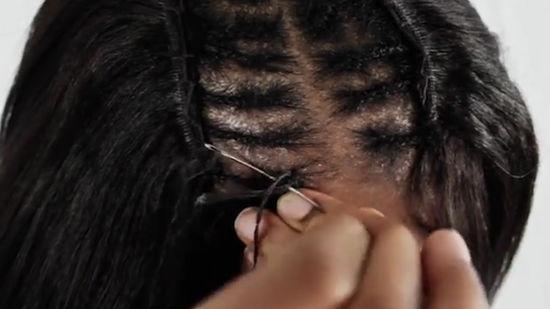
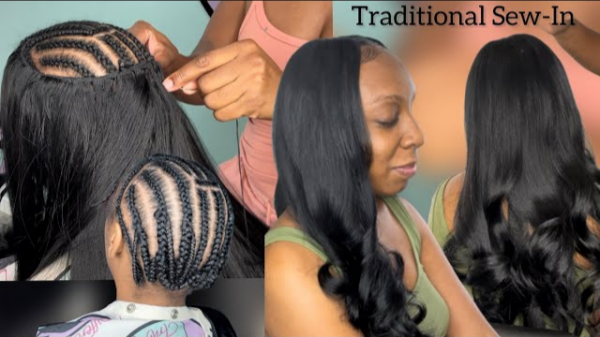
The essence of sew-in hair weaves lies in the "sewing" process itself, which involves attaching real human hair to the client's existing hair. Stylists use a needle and thread to sew rows of hair bundles—known as wefts—onto small, flat braids created against the scalp.
Compared to crochet hair extensions, the sew-in method is more time-consuming and relies heavily on the stylist's technical skill. The entire process typically takes three to four hours, sometimes even longer. This method generally utilizes 100% virgin human hair, offers a wide range of styling options, and is exceptionally secure and durable.
The Pros of Sew-in Weave
Secure and Durable
Because they are sewn directly onto your natural hair, the attachment is very secure. They last a long time, so you don't have to worry about activities like swimming ruining your hairstyle. When installed correctly, sew-in extensions typically last eight weeks or longer.
Diverse Textures
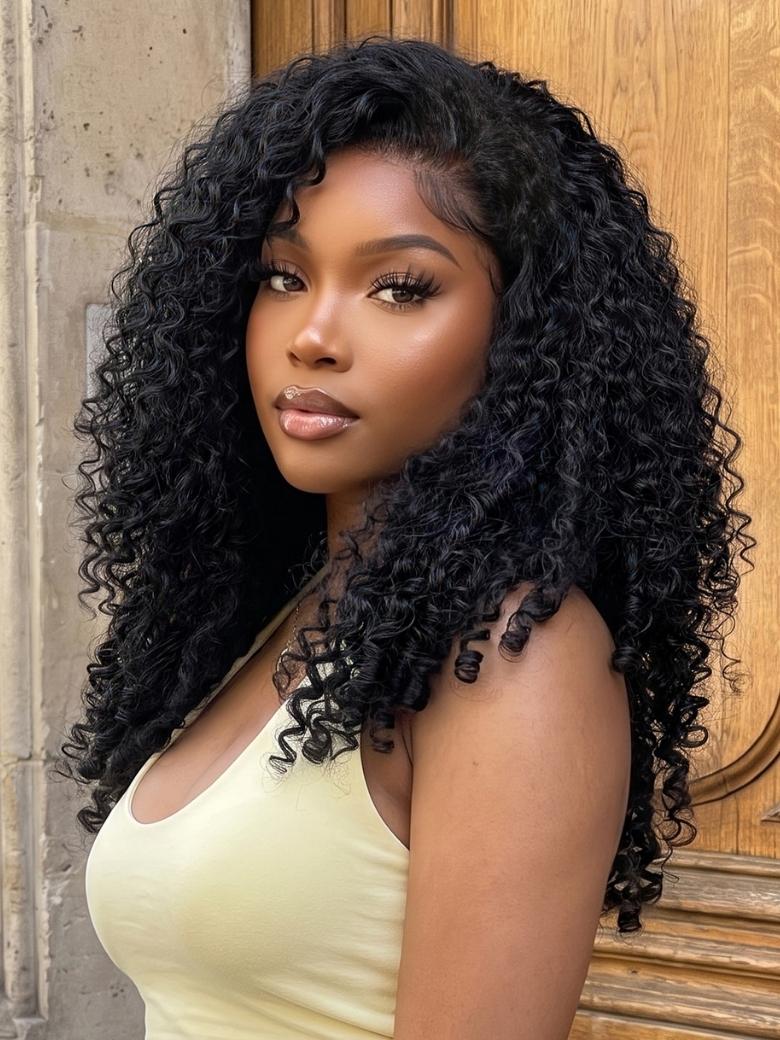
Sew-in weaves offer limitless texture options, ranging from bone-straight to tight 4C coils and everything in between. You can choose from curly, straight, or wavy styles.
Seamless Blending
You can wash, dye, and style the extensions just like your natural hair without needing to remove the wefts.
Protective Style
They offer excellent protection for your natural hair. Sew-ins shield your hair, reducing the need for frequent pulling or heat styling and preventing damage from environmental factors. The installation process requires no glue or tape, making it a safe choice for your natural hair.
Low Maintenance
You can maintain a beautiful look without tedious daily styling routines. With sew-in weaves, you can simply tidy up and head out on busy mornings.
Versatile Styling
Made from 100% human hair, they allow you to create a wide variety of looks—whether short, long, or medium-length, straight or curly—offering endless styling possibilities.
The Cons of Sew-in Weave
Tension: If installed too tightly which meaning the anchor braid (the base for the extensions) is pulled too taut, sew-in extensions can damage natural hair; excessive pulling leads to hair breakage and, consequently, hair loss.
Poor Breathability: Because the natural hair is braided and the hair wefts are sewn onto these braids, the scalp is almost completely covered. This restricts airflow to the area beneath the wefts and limits scalp breathability, while also making it difficult to wash the hair frequently or apply moisturizing oils.
Time-consuming Installation: The process typically takes four hours or longer; opting for a salon installation also entails higher costs.
Sew-In Weaves vs Crochet Hair, What's The Difference?
| Feature | Sew-In Weave | Crochet Hair |
| Installation Method | Hair weaves are sewn onto braided natural hair using a needle and thread. | Extensions are looped through cornrows with a crochet hook. |
| Installation Time | 2–4 hours | 1–2 hours |
| Cost | Usually more expensive | Usually more affordable |
| Durability | 6–8 weeks | 4–6 weeks |
| Styling Versatility | High — can be straightened, curled, and styled in many ways. | Moderate — depends on the crochet hair used. |
| Natural Appearance | Very natural, especially with leave-out or lace closure. | Can look natural, but varies by installation and hair type. |
| Weight on scalp | Can feel heavier. | Generally lighter. |
| Maintenance | Requires regular scalp care and tightening if needed. | Low maintenance. |
| Best For | Long-term protective styles and a polished finish | Quick protective styles and low-maintenance wear |
Sew-In Weaves vs Crochet Hair, Which One is Better?
Both sew-in weaves and crochet hair are excellent "protective styles," but your choice should depend on your hair care goals, lifestyle, and styling preferences.
If you have a busy schedule and don't want to spend time styling your hair every day, or if you simply prefer a low-maintenance, hassle-free option, then crochet hairstyle is likely the better choice for you; they save time and offer greater freedom.
However, if you need a more polished and secure style, perhaps for a special occasion, or simply because you want the look to last longer, then a sew-in weave is more suitable. It offers superior stability, and the overall appearance is typically sleeker and more refined.
Quick Summary:
Choose Sew-In Weave if you want:
- A long-lasting style (6–10 weeks) that looks natural.
- A polished, salon-quality finish.
- Great styling versatility and a desire for sleek, straight hair.
- Human hair extensions that can be styled with heat tools.
- To invest more time in installation and a higher budget.
Choose Crochet Hair if you want:
- A quick installation process without spending too much time on it.
- A budget-friendly option to save on installation costs.
- To create a personalized look with a DIY approach at home.
- Less tension or pulling on your natural hair.
- A lightweight, breathable, and protective hairstyle.
- Trendy braided or twisted styles (such as Faux Locs, Butterfly Locs, Passion Twists, Box Braids, etc.).
- Easy maintenance and convenient scalp cleaning.
- Have a sensitive scalp.
Conclusion
Both sew-in weaves and crochet hair are excellent protective styles that allow you to achieve a stunning look while safeguarding your natural hair. I hope this article has given you a comprehensive understanding of both methods; ultimately, there is no single "right" answer when it comes to choosing between them.
The best choice depends on your lifestyle, budget, scalp comfort, desired look, and the amount of maintenance you are willing to put in. The ideal option is simply one that feels comfortable, is easy to manage, and makes you feel happy when you look in the mirror. What matters most is what works best for you. Do you agree? If you have a different perspective, feel free to leave a comment below—let's discuss!