

Do you have Type 4 hair? How much do you know about your hair type? Type 4 hair is a beautiful, unique texture common among African Americans; it includes several subtypes, each with its own distinct look and feel.
From characteristics and daily care routines to tips on identifying your specific subtype, this complete guide covers everything you need to know about 4a, 4b, and 4c hair. In this article, we share expert advice to help you better embrace and care for your beautiful curls. Read on to learn everything you need to know about type 4 hair!
What Is Type 4 Hair?
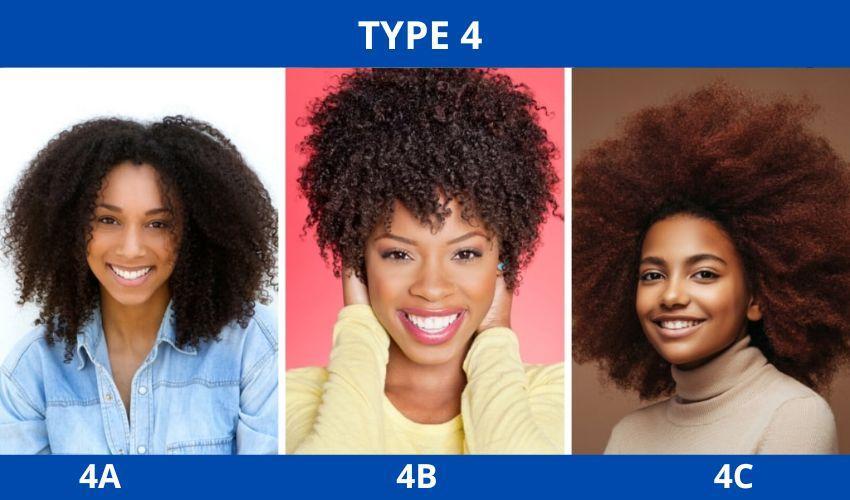
Type 4 hair is a unique hair type, and it is a natural curl type—often referred to as "Afro-textured" or "kinky" hair—found primarily among people of African, Afro-Caribbean, and African-American descent, though it occasionally appears in individuals of other ethnic backgrounds.
The defining characteristic of Type 4 hair is its extremely tight curl pattern, which results in significant shrinkage in apparent length. Naturally dry, this hair type features tight coils and resists straightening or alteration of its natural shape; these traits become more pronounced as the curl tightness increases. Strands form tight coils or zigzag patterns right from the scalp, with a texture that can range from soft and fine to coarse and wiry.
Type 4 hair manifests in various forms, ranging from the well-defined coils of Type 4A to the tighter zigzag or densely coiled textures of Types 4B and 4C (where the curl definition may be less distinct). The strands grow closely together, typically outward or upward, creating the characteristic volume and fullness associated with Type 4 hair.
Key Characteristics of Type 4 Hair:
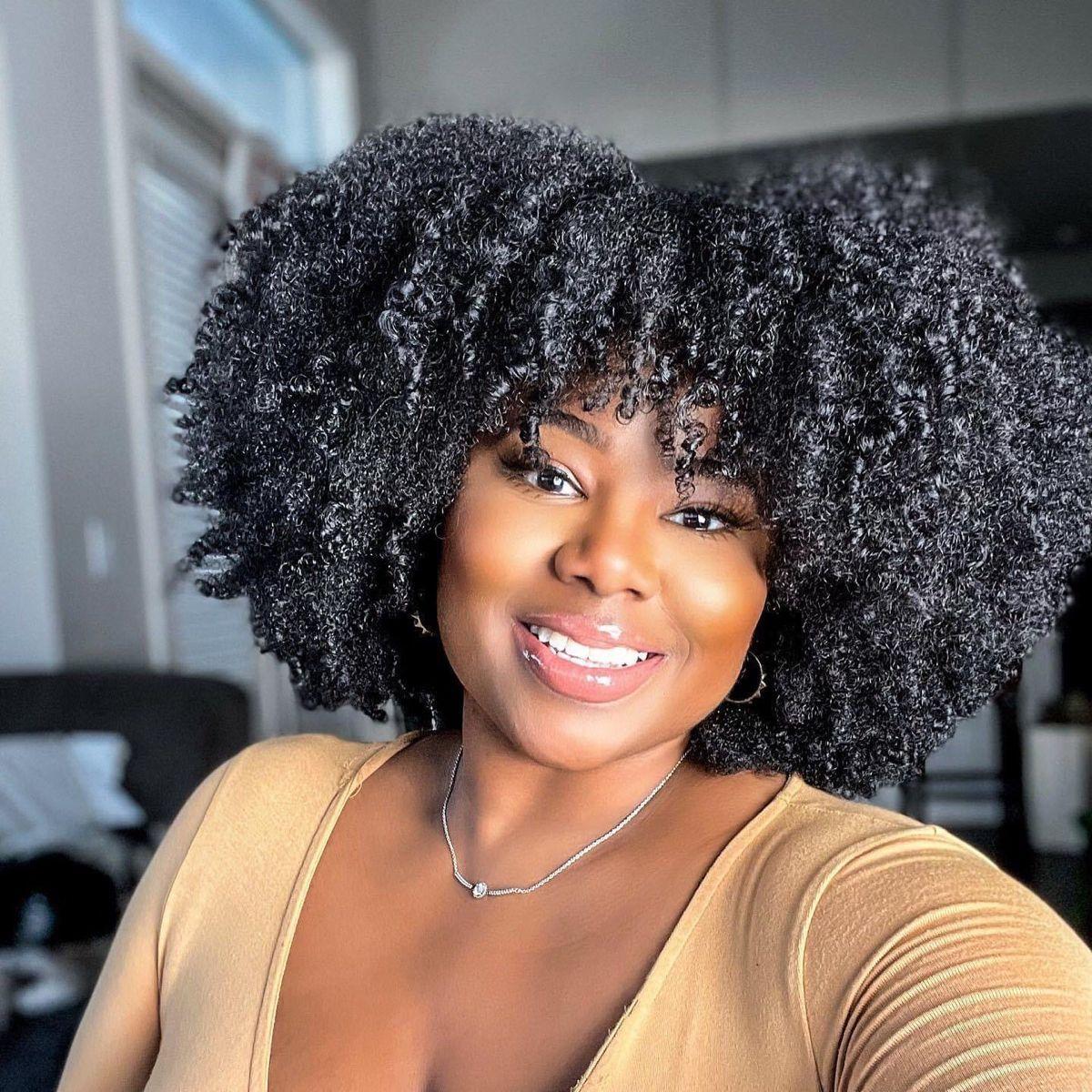
Tight curls: The curls are extremely tight, forming S-shapes or small "Z" patterns, or curling tightly right from the root.
High shrinkage: Shrinkage is very pronounced with this hair type; when dry, the hair can appear up to 75% shorter than its actual length when straightened.
Prone to dryness: Due to the tight curl pattern, natural oils (sebum) produced by the scalp struggle to travel down the hair shaft, making Type 4 hair naturally prone to dryness.
Fragile and prone to breakage: Sharp twists and bends along the hair shaft create weak points, making it the most fragile of all hair types; it breaks very easily if not cared for properly.
Understanding Each Type 4 Hair Texture: 4A, 4B, and 4C Hair
What is 4A Hair?
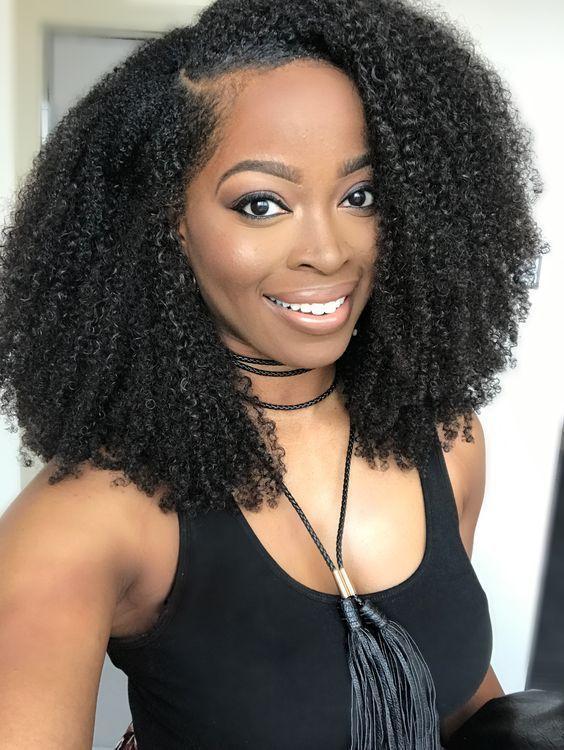
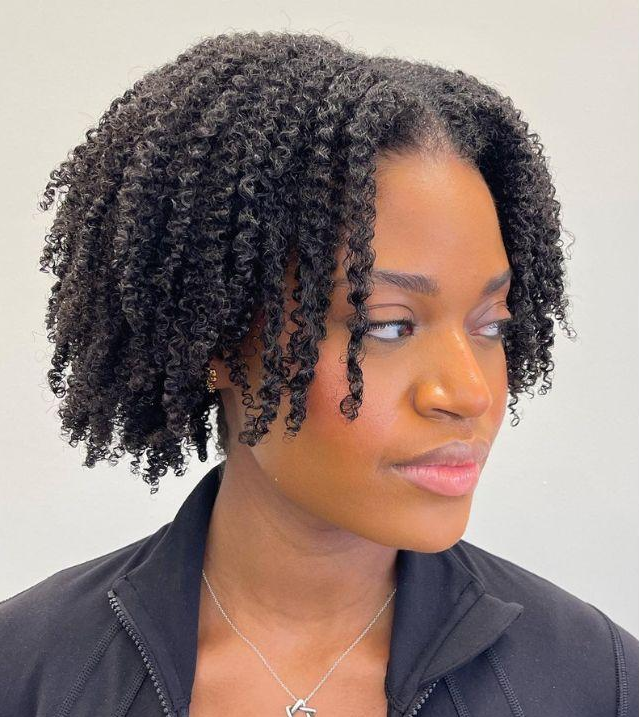
Many of us find it difficult to distinguish between the different types of textured curls and curly hair. Textured hair, also known as type 4a, has the frizziest structure.
4A hair can have a super fine or chunky texture and is shaped like an "S". Like most frizzy kinky curly types, it also tends to be particularly dry. 4a hair care revolves around keeping curls moisturized and avoiding damage. Most black women have 4A hair in the US.
The Benefits of 4A Hair
Although 4A hair is very curly, it has many advantages, and playing to its strengths will help you make the most of your gorgeous curls. Here are some of the benefits of having 4a hair.
Easy to Care For
Of the 4a, 4b, and 4c hair, 4a hair is the easiest to manage. You will struggle the least with issues such as dryness, frizziness, contractions, and knots. 4a hair is also easier to create precise, individual curls, so you'll save time and need fewer products to care for your 4a hair.
Variety of Styling Options
When it comes to styling 4a hair, the possibilities are almost endless. You can straighten, curl, define and stretch your hair without any difficulty. You can also deliberately shrink your hair at any time to try a shorter style. Unlike straight hair, updos with 4a hair have no problem maintaining volume. As long as you take proper care of yourself, you can keep the same hairstyle for several days.
Looks Full
4a hair has a lot of natural body and volume. If you like big, full hair, you don't have to do much to make your hair look the way you want it to.
How to Take Care of 4A Hair?
Taking care of kinky hair takes time, and you must have a regular hair care regimen. 4A hair has a definite frizz pattern, which is why most women opt for a washed look. But you need to maintain your hair in order to be able to show it off. Here are some tips to get the best out of your lush curls.
Trim Your 4A Hair Regularly
Type 4a hair dries naturally, making it more likely to break and split ends. If you don't cut them off, they will continue to travel up your hair strands, causing them to break. To keep your hair healthy, make sure you trim it regularly.
Try to get your hair trimmed at least every 10 to 12 weeks, if not more often. In addition to being healthier, your hair will look better and be easier to style.
Apply Essential Oils to Your 4A Hair
Apply a cream or oil that not only helps moisturize your hair but also traps moisture in your roots. You can also use moisturizing hairspray, edge-control cream, and mousse, but they are mainly used to style your hair.
The best oils for 4a hair are coconut oil, Jojoba oil, Jamaican black castor oil, avocado oil, and almond oil, as they contain a lot of nutrients needed to twist hair.
Brush Your Hair the Right Way
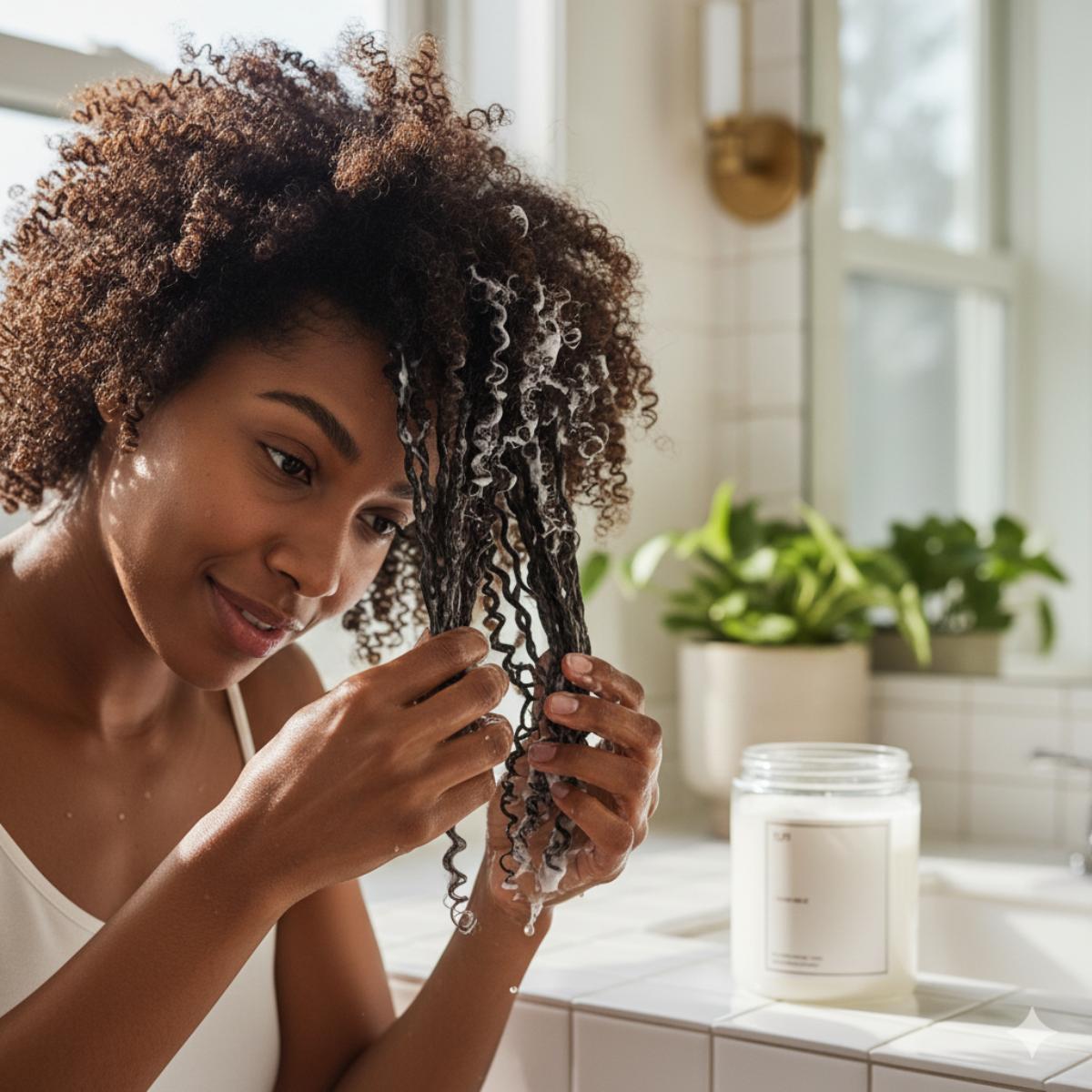
Brush your hair in sections to prevent breakage and damage. Run your fingers through your hair. If you want to comb your hair, use a wide-toothed comb. When your hair is wet, it's easier to undo it's easier. Brushing your hair can cause hair loss.
Avoid hairstyles that increase tension or pressure on the roots and scalp, such as tight ponytails. When using protective hairstyles, such as braids, make sure not to keep them on for too long, as this can lead to hair loss.
Apply Heat Protectant
Your hair is easily damaged by heat. Therefore, use a heat protectant when you heat style your hair. Use it before you curl or straighten your hair. In addition, sometimes let your hair air dry, or blow-dry your hair on a low level.
If you use a hair dryer, you would better use a diffuser. It spreads the heat evenly through your hair and defines your curls. If you keep straightening your 4a hair, it will lose its natural frizzy texture over a period of time.
Best Hairstyles For 4A Hair
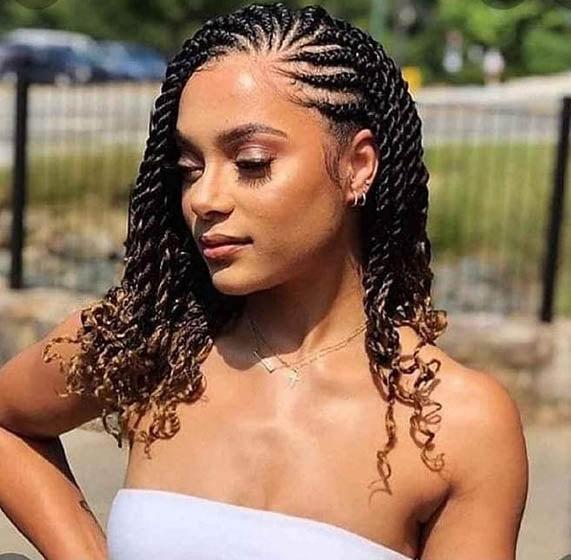
4A hair features a distinct curl pattern, so styles that highlight this natural texture often look stunning.
Braid and Twist Styles: Braid-outs, twist-outs, and roller sets are excellent choices. These styles beautifully accentuate the hair's natural S-shaped curl pattern.
Top-knot Bun: Start by applying a lightweight hair oil to enhance the hair's natural shine, then gather the curls into a half-up top-knot. This style perfectly embodies a look that is both cute and simple.
Sleek Ponytail: To achieve this ultra-smooth ponytail, simply apply a moderate amount of styling gel or mousse to your 4A curls—avoiding the roots to maintain the hair's natural volume and curl definition.
Silk Scarf Style: This is a simple "wash-and-go" natural hairstyle that works particularly well for shorter hair. Just tie on a silk scarf and let your moisturized hair show off its natural charm.
What is 4B Hair?
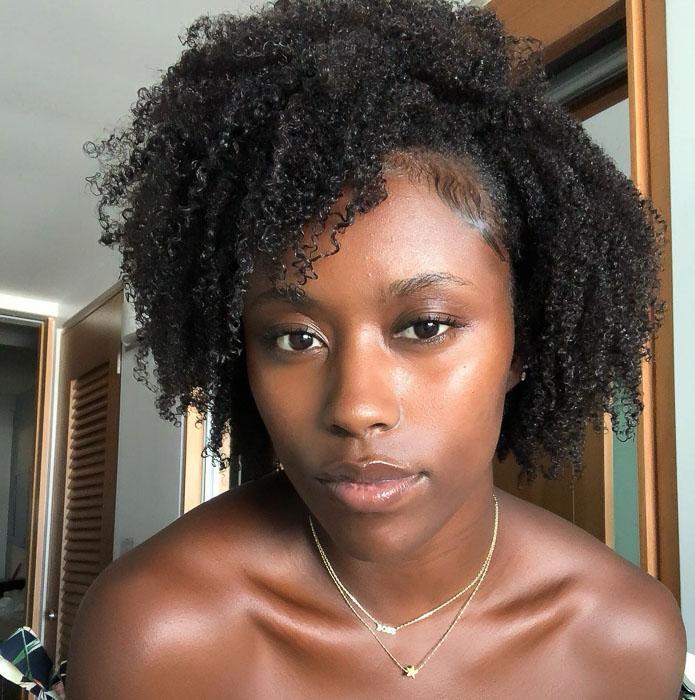
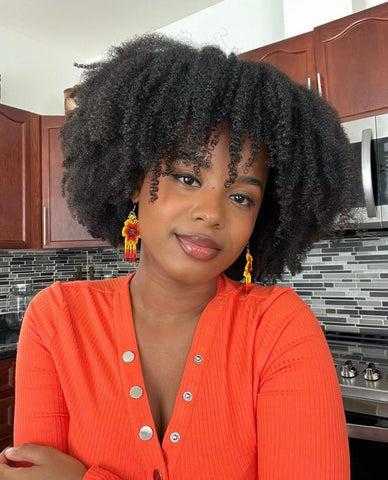
4B hair falls under the Type 4 category, which encompasses kinky or coily hair textures. Specifically, 4B hair is characterized by a tight, densely packed coil pattern that forms a 'Z' shape. It tends to have a cottony or fluffy feel and appears as if it has been tightly coiled or twisted.
The Characteristics of 4B Hair
Understanding the unique characteristics of 4B hair is crucial for providing it with the proper care it deserves. Here are some key traits of 4B hair:
Tight Coils: 4B hair has tightly coiled strands that form a distinctive 'Z' pattern.
High Density: This hair type often boasts high hair density, meaning there is a significant number of hair strands on the scalp.
Prone to Dryness: 4B hair is susceptible to dryness due to its coily nature, which makes it harder for natural oils to travel down the hair shaft.
Versatile Styling: Despite its unique texture, 4B hair is incredibly versatile. It can be styled in a myriad of ways, from twist-outs and braids to afros and protective styles.
How to Take Care of 4B Hair?
Caring for 4B hair involves a combination of moisture retention, protective styling, and using suitable hair care products. Here are some essential tips for maintaining healthy 4B hair:
Moisture
4B hair tends to be naturally dry, so it requires regular and consistent moisture. This can be achieved through deep conditioning treatments, leave-in conditioners, and hydrating hair oils. Opt for products that are rich in natural ingredients like shea butter, coconut oil, and aloe vera.
Gentle Cleansing
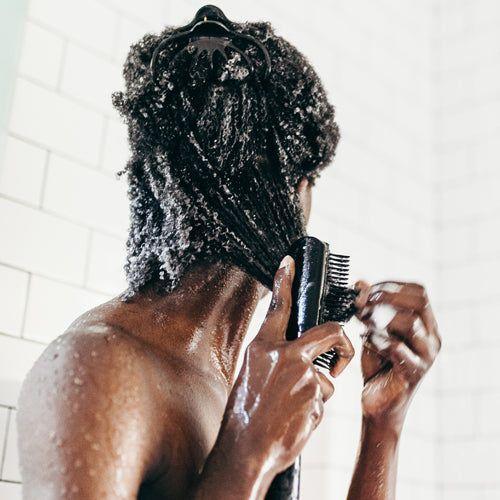
Avoid over-washing your hair, as this can strip it of its natural oils. Use a sulfate-free shampoo and consider co-washing (washing with conditioner only) in between shampoo sessions. This helps retain moisture while still keeping your hair clean.
Protective Styles
Embrace protective styles like twists, braids, and bantu knots. These styles not only help protect your hair from environmental stressors but also minimize manipulation, reducing the risk of breakage.
Detangling with Care

Detangling 4B hair requires patience and a gentle touch. Use a wide-toothed comb or your fingers and start detangling from the tips, working your way up to the roots. Always detangle when your hair is damp and saturated with a good leave-in conditioner.
Avoid Heat Damage
Limit the use of heat styling tools like flat irons and curling irons. If you do use them, apply a heat protectant and use the lowest heat setting possible to achieve your desired style.
Nighttime Routine
Invest in a satin or silk pillowcase or wrap your hair in a silk scarf or bonnet before bed. This helps to reduce friction and prevent moisture loss while you sleep.
Regular Trims
Regular trims are essential for keeping 4B hair healthy. They help remove split ends and prevent further damage, allowing your hair to grow stronger and longer.
Best Hairstyles For 4B Hair
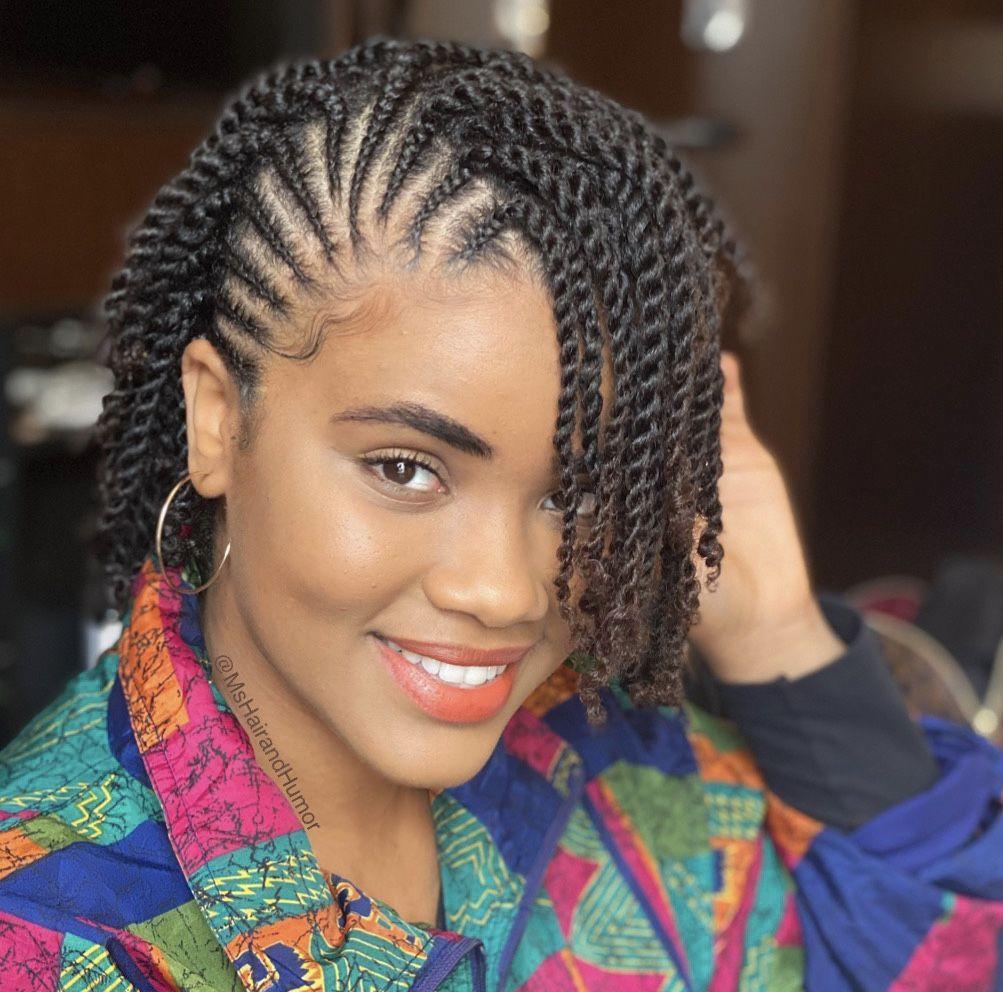
Twist-Outs: Twist your hair into sections and let it dry. Once untwisted, you'll have defined, bouncy curls.
Bantu Knots: Create small sections, twist them, and secure them into knots. When unraveled, this style results in a beautiful, textured look.
Braids and Cornrows: These classic styles are not only visually appealing but also provide excellent protection for your hair.
Afro Styles: Embrace your natural texture with an Afro. Keep it well-moisturized for a full, voluminous look.
Protective Styles (Wigs, Weaves): Consider using wigs or weaves for a break from daily manipulation. Just be sure to properly care for your natural hair underneath.
What Is 4C Hair?
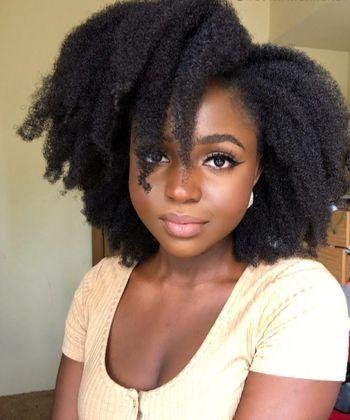
Among all curl types, 4C hair features the tightest curl pattern, forming compact, springy, and highly coiled spirals. It exhibits the highest shrinkage rate of any hair type and is difficult to detangle due to its coarse texture. The hair strands bend at sharp angles, creating a "Z-shaped" (zigzag) appearance. This makes it the most fragile of the Type 4 hair categories, necessitating the consistent and generous use of moisturizing products.
The Characteristics of 4C Hair
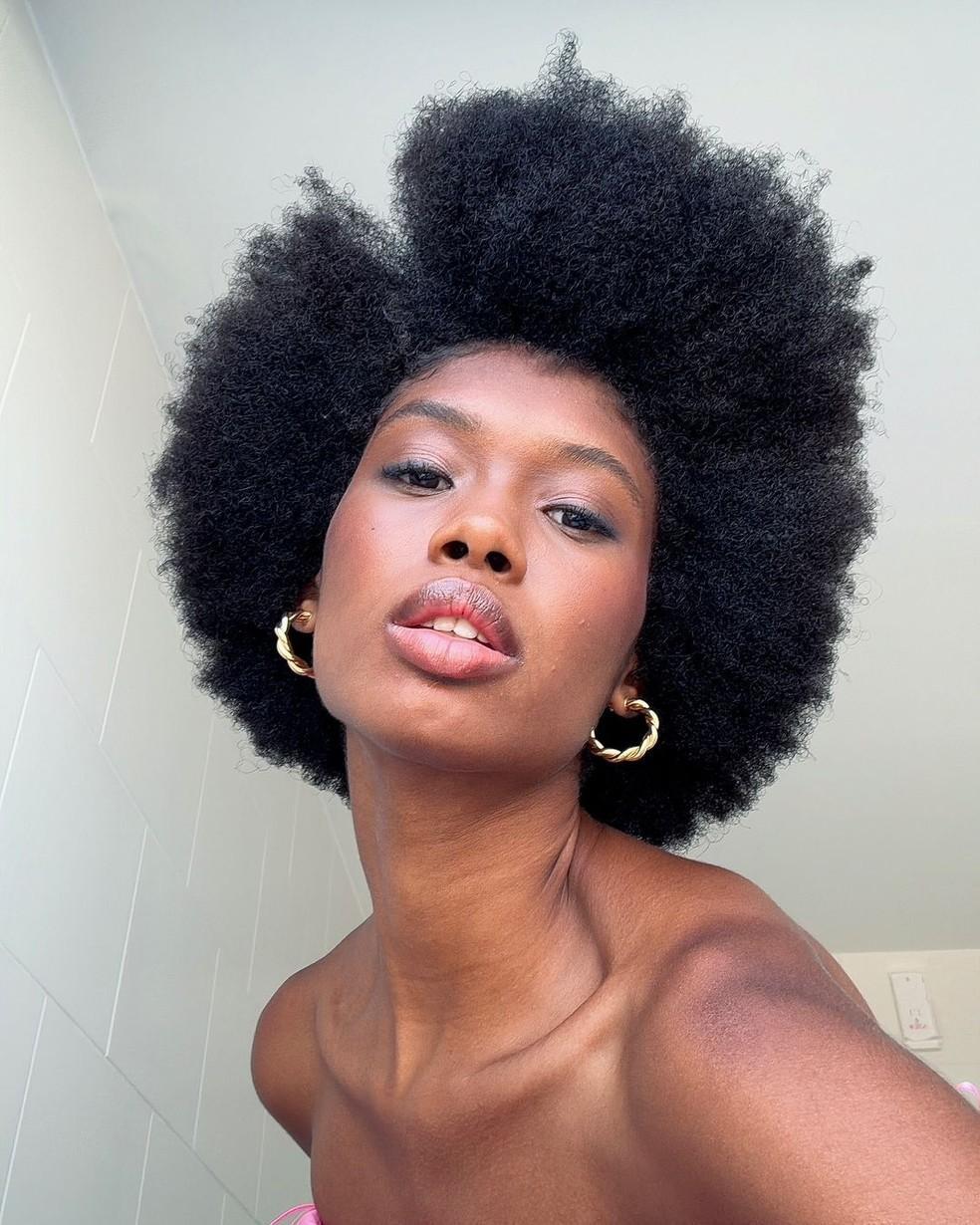
Curl Pattern: 4C hair features tightly packed, tiny coils that create a uniform overall appearance rather than distinct, defined curl patterns.
Shrinkage: Due to the extremely tight coil structure, shrinkage is particularly pronounced in 4C hair, capable of shrinking by up to 75%. If you have twenty (20) inches of hair, for example, 4c shrinking might make it seem just five (5) inches long.
Moisture Needs: 4C hair typically requires regular hydration, especially when it feels dry or undergoes frequent styling.
Common Challenges: 4C hair is prone to breakage if it lacks moisture or is handled roughly during styling and detangling. Additionally, the tight coil structure tends to trap shed strands; therefore, using products with good slip and exercising patience during detangling are essential.
The Benefits of 4C Hair

4C hair eliminates the difficulties of continuously restyling and handling your hair.
It may keep the greatest protective styles for the longest period — one to two (1-2) months!
When dried, 4c hair almost defies gravity. This function provides a plethora of styling possibilities, including updos, buns, and FRO hawks.
4C hair boasts incredible volume and beautiful, head-turning afros.
How To Take Care of 4C Hair?
The secret to sporting healthy 4C hair, similar to 4B natural hair, is in how you care for it. 4C hair, on the other hand, is the most difficult to care for and style since it lacks a distinct curl pattern.
The main goals of 4C hair are to preserve hydration, prevent knots, and prevent shrinkage.In addition to the techniques for 4B hair, here's how you can accomplish it.
Massage the Scalp After Washing
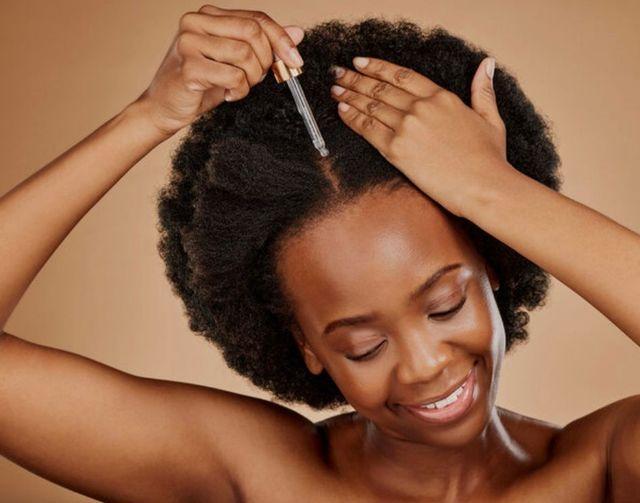
Scalp care is just as important as the health of the hair strands themselves. Be sure to use essential oils or other scalp-protecting products to promote healthy hair growth. Sometimes, a soothing scalp massage can work wonders. As the saying goes: healthy hair starts with a healthy scalp.
Drying 4C Hair Correctly
After washing, it is best to gently dry your hair using a T-shirt or a microfiber towel rather than a standard towel. Avoid vigorous rubbing, as this causes frizz and disrupts your natural curl pattern. Instead, gently press or squeeze the hair to remove excess water until it stops dripping. The goal here isn't to dry the hair completely, but simply to remove excess moisture while keeping the hair hydrated.
Using Conditioner
Apply conditioner before or after cleansing to minimize tangles. For your daily routine between washes, use a thick, deeply moisturizing conditioner to soften and detangle stubborn curls. Don't forget to perform a deep conditioning treatment at least once a week.
Detangling
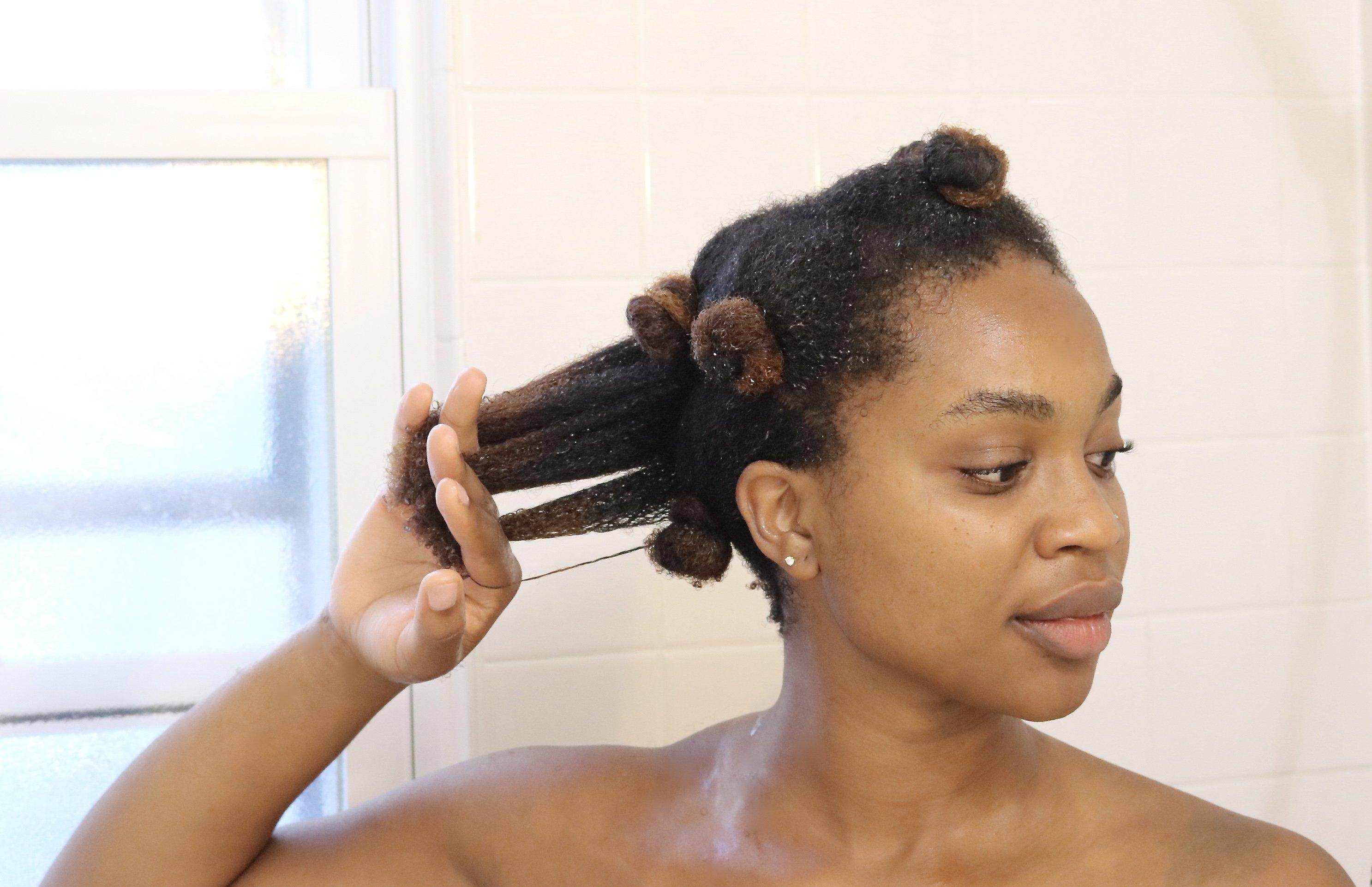
Use a wide-tooth comb or your fingers to detangle 4C hair. This should be done after every wash, before and after styling, and prior to installing protective hairstyles. Keeping 4C hair smooth and knot-free is essential to prevent matting.
Standard hairbrushes or combs can be too harsh for delicate curls; instead, gently detangle using your fingers. Always use a moisturizing product (such as a leave-in conditioner) or a little water while doing so.
Sealing in Moisture
After washing, 4C hair is fully hydrated, so you need to use a sealant to lock that moisture in. Examples include silicone-based serums, thick hair creams, and various hair oils. These products create a protective barrier between the hair and the environment, trapping moisture inside the strands and preventing loss.
The benefits of moisture-locking care extend beyond hair health: retaining more moisture after washing helps curls maintain their bounce and definition, while also extending the style's longevity and reducing the need for restyling.
Avoid Heat Styling
For 4C hair, it is best to avoid heat styling tools. Instead of relying on heat, manage frizz and enhance curl definition through specific care and styling techniques—often referred to as the "4C hair care rules."
Protect Your Hair While Sleeping
To protect your curls at night, consider wearing a silk bonnet or wrapping your hair in a silk scarf, and use a satin pillowcase; this minimizes friction and helps reduce the likelihood of frizz.
Best Hairstyles For 4C Hair
Twist-out
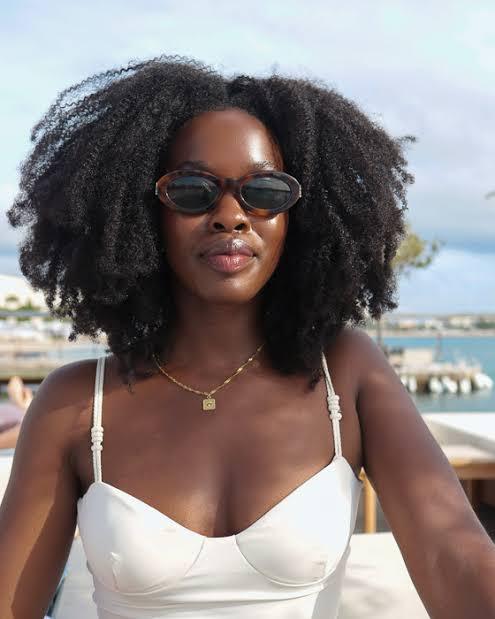
This is one of the most popular styles for 4C hair. It serves as both an excellent protective style and a low-maintenance option. Section your clean, damp hair—the number of sections depends on how many twists you want; the smaller the twists, the tighter the curls will be once unraveled. Divide each section into two strands to create basic twists and secure the ends with small, clear elastic bands. Once the twists are completely dry, simply unravel and fluff them out.
Frohawk
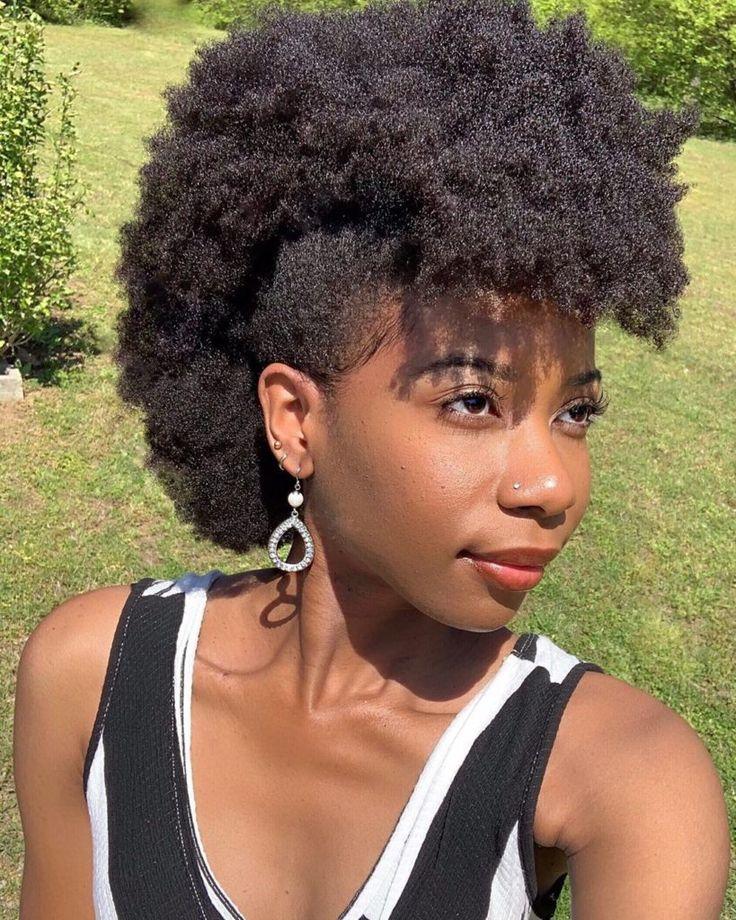
Who can resist a cool Mohawk? If you don't want to cut your long, curly hair, a faux-hawk is the perfect alternative. Start on one side by brushing the hair toward the center of your head and securing it with bobby pins; repeat the process on the other side. Once secured, use a wide-tooth pick to fluff the hair and create volume.
Box Braids
4C hair is ideal for box braids because they are quick to install, and if you have some experience, you can easily do them yourself. Since this style is usually worn for days or even weeks, make sure your hair is thoroughly clean before you start. We recommend using a deep-cleansing shampoo (such as our sulfate-free Wash Day Delight) to wash your hair.
Next, use a conditioner to hydrate your hair. When you're ready to style, divide your hair into about 8 to 10 sections, braid each one, and secure the ends with hair ties.
Braid-Out
While a "wash-and-go" style is convenient, the volume and defined texture revealed after taking out braids are well worth the extra effort. There are two ways to achieve this look: one involves sectioning the hair, misting it with water and applying styling products, then braiding it into chunky plaits to leave in overnight; the other method involves braiding the hair into large cornrows. Both methods yield stunning results.
4A vs. 4B vs. 4C Hair: What's the Difference?
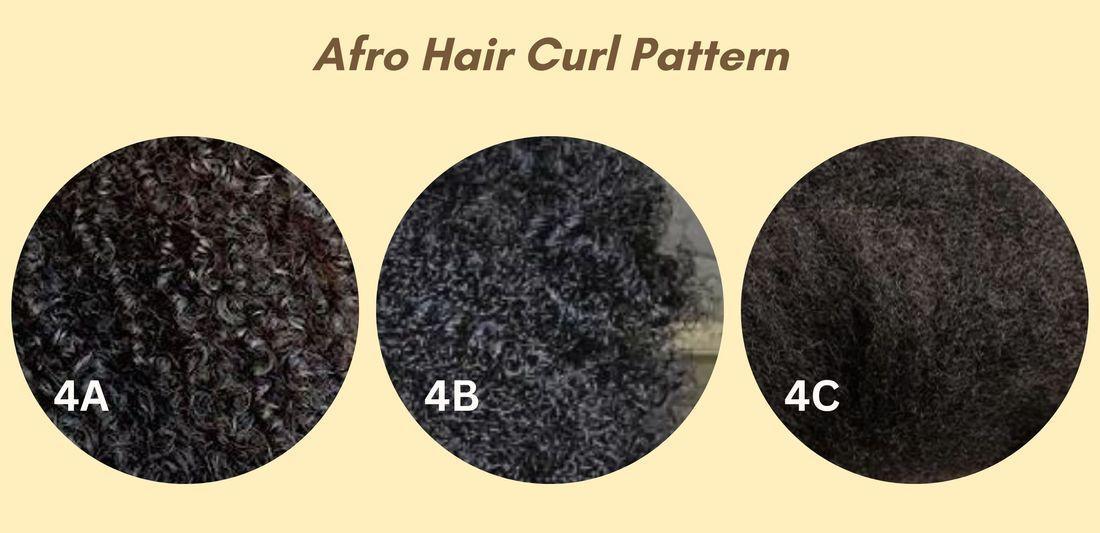
Understanding the key differences between 4A, 4B, and 4C hair types is crucial for developing an appropriate care routine and selecting products that suit your natural curl pattern. To help you distinguish between 4A, 4B, and 4C hair, please refer to the quick comparison chart below:
| Feature | Type 4A Hair | Type 4B Hair | Type 4C Hair |
| Curl Pattern | Defined, springy “S-shaped” coils with a visible curl diameter | Tight “Z-shaped” bends that form sharp angles instead of loops | Ultra-tight zig-zag pattern with little to no visible curl definition |
| Definition Level | High, with coils clearly visible | Moderate, with visible texture but less defined pattern | Low, with individual coils being difficult to see without manipulation |
| Shrinkage Level | Moderate shrinkage — around 40% | High shrinkage — approximately 50–60% | Maximum shrinkage — often 70–75% or more |
| Moisture Needs | High, but retains moisture better than 4B or 4C | Very high, typically needs regular moisture and products with good slip | Very high, benefits from consistent, rich moisture |
| Moisture Retention | Moderate — holds hydration better than 4B/4C | Low — moisture escapes quickly due to sharp bends | Very low — needs rich, layered hydration and sealing |
| Common Challenges | Dryness, frizz between coils, breakage without moisture | Single-strand knots, dryness, difficulty defining, frizz | Maximum shrinkage, breakage risk, difficult detangling, dryness |
| Best Texture Match | 3C–4A inspired kinky-curly textures for seamless blending | Afro-kinky textures with fluffy volume to mimic natural 4B coils | Tight Kinky coily or 4C-specific textures for a realistic blend |
| Styling | Versatile | Versatile but needs gentle handling | Requires careful manipulation |
How Do You Determine Whether Your Hair is Type 4A, 4B, or 4C?
The best method is to observe your hair after washing it, without using any (or using only a minimal amount of) hair products. Most people cannot identify their curl pattern at a glance; it often requires observing how the hair behaves in its most natural state.
Allow your hair to air-dry without touching it, then observe the definition of the curls, the degree of shrinkage, and the overall shape—do you see tight coils, sharp "Z"-shaped angles, or a texture that looks and feels very dense, soft, and cotton-like?
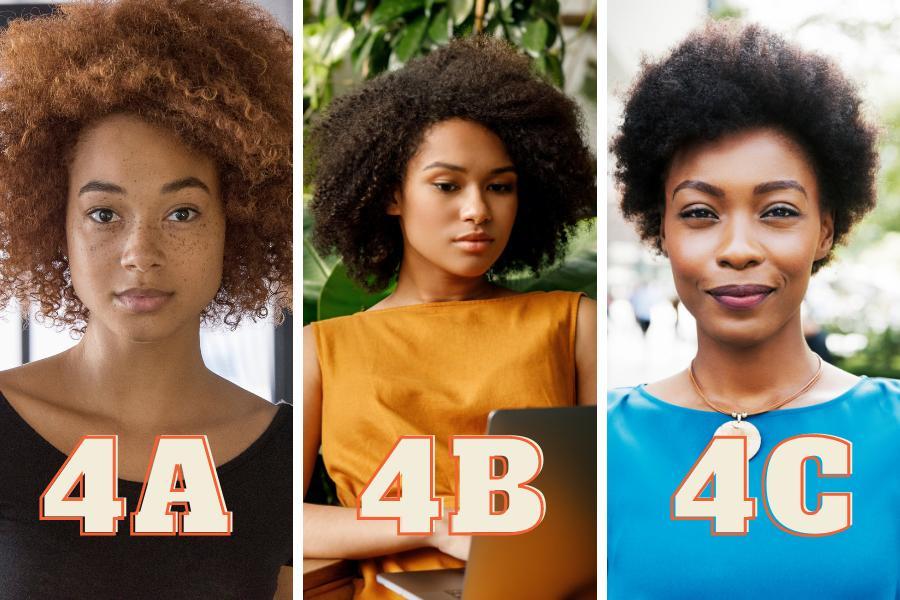
Pattern Test: Look closely—do you see small "S"-shaped coils (typical of 4A), sharp "Z"-shaped angles (typical of 4B), or very tight curls with indistinct definition (typical of 4C)?
Shrinkage Test: Gently stretch a section of hair and then release it. If the hair springs back (shrinks) significantly, this is a hallmark characteristic of Type 4 hair.
Definition Test: If the curl definition only becomes apparent after moisturizing and styling, your hair likely falls within the 4B to 4C range.
Therefore, identifying which Type 4 category you belong to relies on understanding shrinkage, recognizing the curl pattern, and observing the hair's natural state without product application. These factors help confirm whether your hair is 4A, 4B, or 4C. Once you have this information, both your daily care routine and your final styling results will be far more effective and satisfying.
FAQs About Type 4 HairIs 4C Hair the Same As Kinky Hair?
While the terms are sometimes used interchangeably in casual conversation, they are not strict scientific classifications. 4C generally refers to a specific curl pattern within the Type 4 hair classification system.
Which Type 4 Hair Experiences the Most Shrinkage?
4C hair is generally considered to have the highest shrinkage rate, though the degree of shrinkage varies from person to person. Significant shrinkage can also occur with certain 4A and 4B hair types.
Is 4A Hair Easier to Manage Than 4C Hair?
Not necessarily. While 4A hair may have a more defined curl pattern, manageability depends on factors beyond just the curl pattern—such as density, porosity, strand thickness, length, and overall hair health.
Can I Have Both 4B and 4C Hair?
Yes, it is very common to have multiple hair textures on the same head. Most people tend to have 4B hair at the crown, while the hair along the nape of the neck is often 4C.
Can Type 4 Hair Be Straightened?
Yes. Type 4 hair can be straightened temporarily using heat or permanently altered using relaxers or other chemical treatments. However, excessive heat or chemical processing can cause damage, so proper preparation and aftercare are crucial.
Can Type 4 Hair be Worn in Its Natural State?
Absolutely. Type 4 hair lends itself to a variety of natural styles, such as wash-and-gos, afros, twist-outs, braid-outs, puffs, and twists.
Which Type 4 Hair Texture is Most Prone to Dryness?
4C hair is one of the hair types most prone to dryness. Its zigzag curl structure makes it difficult for natural scalp oils to travel down the hair shaft, necessitating frequent and intensive moisturizing treatments.
Which Hairstyles are Best For Protecting Type 4 Hair?
Protective hairstyles that keep the ends of the hair safely tucked away are the best choice. These include cornrows, box braids, buns, twist-outs, and wigs. Such styles minimize the pulling and tugging associated with daily grooming, as well as damage caused by environmental factors.
Final Thoughts
Through this article, we have gained a comprehensive understanding of the various types, characteristics, and care methods for natural Type 4 hair. We hope you can now clearly identify whether your hair is Type 4A, 4B, or 4C, enabling you to care for your unique natural hair in a whole new way.